
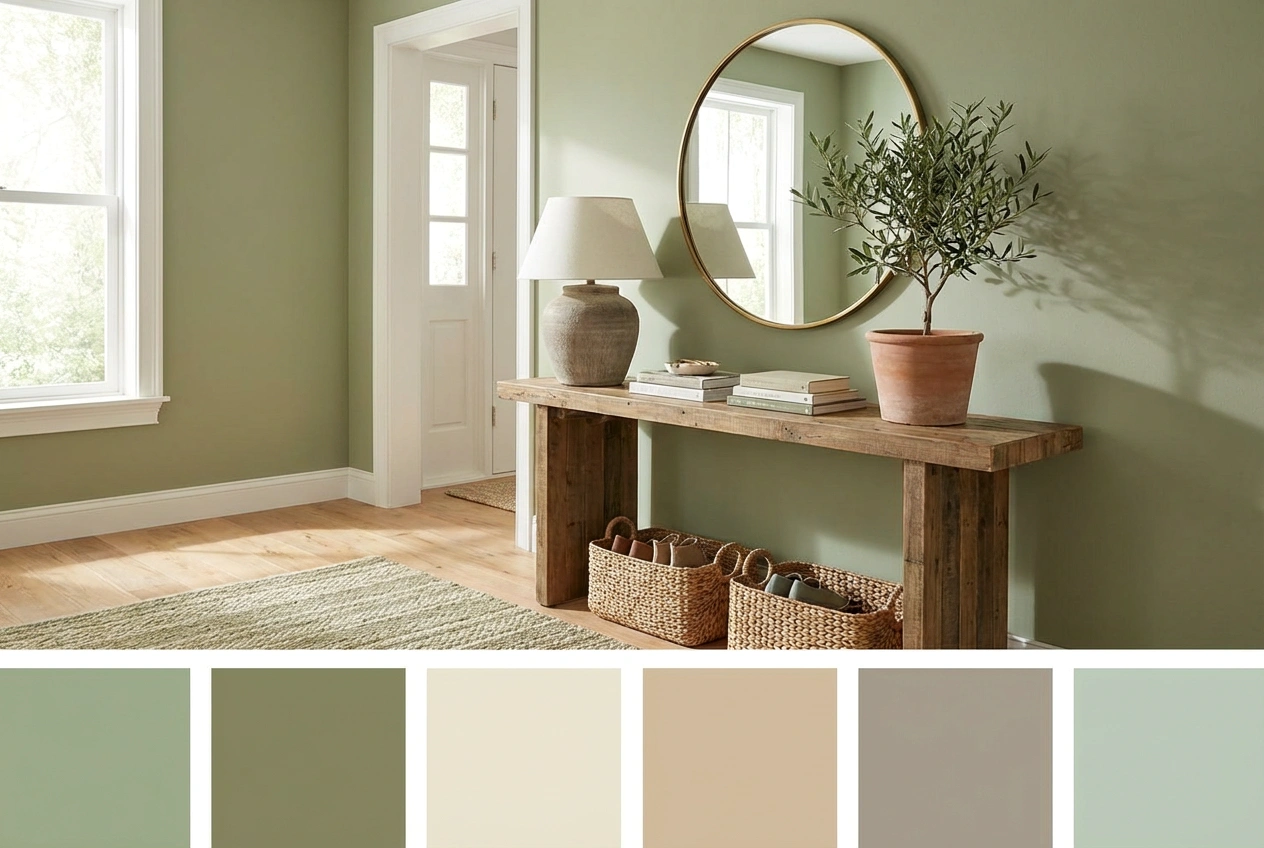
12 Lovely Sage Green Color Palette Combinations for 2025: Trendy Ideas to Inspire You
Introduction to 12 Lovely Sage Green Color Palette Combinations for 2025: Trendy Ideas to Inspire You
Step into 2025 with a color that whispers serenity and sophistication: sage green. This muted, grayish-green hue has transcended fleeting trend status to become a modern classic, offering a perfect bridge between the natural world and contemporary design. More than just a single shade, it’s a gateway to countless stunning green color palette combinations. Imagine a living room that feels like a tranquil forest retreat, a bedroom that promotes restful sleep, or a kitchen that hums with organic warmth. This is the transformative power of sage. It’s a color that doesn’t shout but rather soothes, creating spaces that are both aesthetically pleasing and emotionally restorative. Whether your style leans minimalist, maximalist, rustic, or modern, sage green’s incredible versatility makes it an ideal foundation. This guide will unveil twelve inspiring palette ideas that pair sage with everything from bold, dramatic shades to soft, ethereal neutrals. Consequently, you’ll discover how to craft a home that is not only on-trend but also timeless, functional, and deeply personal. Let’s explore how this gentle giant of the color world can redefine your living space.
Why Choose Sage Green Color Palette Combinations for Your Space
Choosing a sage green color palette combination for your home is a decision that pays dividends in atmosphere, versatility, and well-being. Firstly, sage green is inherently calming. Its connection to nature—evoking misty hills, silvery olive leaves, and eucalyptus—triggers a biophilic response, reducing stress and promoting a sense of peace. This makes it an exceptional choice for bedrooms, home offices, and living areas where relaxation is key.
Beyond its emotional impact, sage green is a remarkably flexible design tool. Unlike brighter greens, its muted, gray undertone allows it to act as a neutral. It can serve as a serene backdrop for bolder accents or become the star of the show when paired with softer hues. This versatility means one green palette can adapt to various styles: pair it with linen and oak for a Scandinavian feel, with terracotta and rattan for a Mediterranean vibe, or with black steel and concrete for an urban loft look. Moreover, it’s a universally flattering color that works in any room, regardless of light exposure. North-facing rooms benefit from its warmth, while south-facing spaces are balanced by its cool, gray notes.
Finally, a sage-inspired scheme is inherently harmonious and easy to live with. It encourages a cohesive flow from room to room and simplifies the decorating process. When you start with such a grounded, elegant base, layering textures, patterns, and accessories becomes intuitive and joyful. Ultimately, adopting a sage green decor scheme is an investment in creating a home that feels both stylish and sanctuary-like—a space that truly supports modern life.
Key Elements & Design Components
Essential Decor Items for a Sage Green Palette
To successfully execute a sage green color scheme, you’ll need a mix of foundational pieces and thoughtful accents. Here’s a breakdown of the essential components:
- The Anchor: Wall Color & Large Furniture. Begin with your major surfaces. Painting walls in a soft sage green instantly sets the tone. For a less permanent option, large furniture pieces like a velvet sage sofa, an upholstered bed, or a painted cabinet become the focal point. These items establish the green palette as the dominant theme.
- Textural Layers: Fabrics & Textiles. This is where the space comes alive. Incorporate sage through textiles like linen curtains, a chunky knit throw, wool area rugs, or velvet cushion covers. Mixing materials is crucial—the matte finish of linen against the sheen of silk or the nubby texture of bouclé adds depth and interest to the green color combination.
- Complementary Colors: Accents & Decor. The chosen palette comes to life through accents. This includes items in your complementary colors: vases, picture frames, ceramic table lamps, and decorative bowls. For instance, in a sage-and-cream scheme, cream-colored pottery and woven baskets are essential.
- Natural Elements: Organic Materials. To enhance sage’s earthy quality, incorporate raw, natural materials. Light oak or walnut wood tones, rattan lighting, seagrass baskets, stoneware, and dried botanicals (like pampas grass or bleached ruscus) reinforce the connection to nature.
- Metallic Finishes: Warmth & Light. Choose metallic accents to add a layer of sophistication. Brushed brass, aged bronze, or unlacquered brass work beautifully, offering warmth. For a more modern edge, consider matte black or dark iron fixtures and hardware.
Style Variations & Budget-Friendly Alternatives
The beauty of a sage green decor scheme is its adaptability. Here’s how to tailor it to your style and budget:
- For Renters & the Commitment-Phobic: Avoid permanent changes with removable solutions. Use sage green peel-and-stick wallpaper on a single accent wall. Choose slipcovers for existing sofas or chairs. Invest in large area rugs, abundant green-hued textiles, and statement art that brings the color into the room without a single drop of paint.
- Budget-Conscious Decorators: Focus on high-impact, low-cost items. A gallon of sage paint is a transformative yet affordable splurge. Shop second-hand for wooden furniture and paint it yourself with a sage green chalk paint. Update cabinet hardware, switch out lamp shades, and add a collection of sage-toned throw pillows for instant refresh.
- Small Space Strategy: In compact areas, use sage as an accent color rather than the main wall color. A sage green sofa in a neutral room, or sage kitchen cabinets, makes a bold statement without overwhelming. Use mirrors to reflect light and make the green palette feel more expansive.
- Style Twist – Dark & Moody: For a dramatic variation, pair deep sage (almost a grey-green) with charcoal walls, black accents, and rich mahogany woods. This creates a luxurious, cocooning effect perfect for a study or dining room.
- Style Twist – Earthy & Bohemian: Amplify the natural vibe by combining sage with terracotta, mustard yellow, and deep indigo. Layer in macramé, ethnic patterns, and an abundance of potted plants for a globally-inspired, cozy look.
How to Achieve the Look: Step-by-Step Styling Guide
Follow this actionable guide to build your sage green sanctuary from the ground up.
Step 1: Define Your Core Color Palette Combination
Start by selecting your primary sage green color palette combination. Don’t just pick a single sage swatch; choose 2-3 complementary colors. Will it be:
* Monochromatic: Sage, olive, and celadon.
* Neutral & Airy: Sage, creamy off-white, and light oak.
* Warm & Earthy: Sage, terracotta, and warm taupe.
* High Contrast: Sage, crisp white, and matte black.
Gather paint swatches, fabric samples, and images to create a physical mood board. This step ensures cohesion before you buy anything.
Step 2: Establish the Foundation with Walls and Floors
Apply your palette to the largest surfaces. Paint your walls in your chosen sage hue or a neutral from your palette. Alternatively, if using sage on furniture, keep walls neutral. Next, consider your flooring. A light oak floor, a sisal rug, or a grey-toned carpet provides an excellent base. A vintage-inspired sage and white patterned tile could be a stunning statement in a bathroom or kitchen.
Step 3: Select and Arrange Key Furniture Pieces
Invest in your anchor piece—a sofa, bed, or dining set—in your primary color. Arrange furniture to promote flow and conversation. In a living room, float the sofa away from walls to create intimacy. Ensure each piece not only fits the green color scheme but also serves its functional purpose. A sage green velvet armchair can be both a visual anchor and a cozy reading nook.
Step 4: Layer in Textiles for Depth and Comfort
This is where the magic happens. Layer rugs (e.g., a jute rug under a softer wool one), drape throws over sofas and beds, and pile on cushions in your complementary colors and varying textures. Curtains in linen or sheer wool add softness and height. Each textile layer adds comfort and visual richness to your green palette.
Step 5: Illuminate with Strategic Lighting
Lighting defines ambiance. Use a mix of sources:
* Ambient: Overhead fixtures or recessed lights on dimmers.
* Task: Sage-based ceramic table lamps on side tables, focused floor lamps for reading.
* Accent: Picture lights on art, LED strips inside bookshelves, or a statement rattan pendant.
Warm white bulbs (2700K-3000K) will make your sage green tones feel cozy and inviting.
Step 6: Accessorize with Purpose and Personality
Finally, add life with accessories. Style bookshelves with a mix of books, green-toned vases, and sculptural objects. Hang art that incorporates your palette. Place trays on coffee tables, stack coffee table books, and add candles. Incorporate living greenery—a fiddle leaf fig or trailing pothos—to echo the sage green decor and purify the air. Remember, accessories should feel curated, not cluttered.
Elevating the Look: Advanced Styling Tips
To truly perfect your sage green color palette combination, consider these nuanced touches:
- Play with Saturation: Don’t use one flat shade of sage. Incorporate depth by using darker olive greens in small doses (e.g., in a patterned cushion or a dark green glass vase) and lighter, airier mint or celadon tones elsewhere. This creates a more dynamic and professional green color scheme.
- Embrace the “Third Element”: Every great palette has a surprise. To your sage and neutral duo, add a small pop of a third, unexpected color. A hint of blush pink feels romantic, a touch of deep navy adds sophistication, and a sliver of burnt orange brings energy. This element should constitute no more than 10% of the room.
- Consider Architectural Details: Paint interior doors, window trim, or ceiling moldings in your sage hue for a sophisticated, cocooning effect. Alternatively, for contrast, paint trim in a crisp, bright white against sage walls.
- Reflect Light with Mirrors and Glass: Strategically placed mirrors opposite windows will bounce light around, making the sage tones glow. Glass coffee tables, transparent acrylic chairs, or glass cabinet doors prevent the scheme from feeling too heavy or earthy.
- Curate Artistic Moments: Treat your walls as part of the palette. A large abstract painting with sage, cream, and rust tones can tie the whole room together. Gallery walls with black-and-white photography and natural wood frames also complement a sage green decor theme beautifully.
Maintenance & Care: Keeping Your Space Fresh
A well-executed sage green color scheme is designed to last, but it benefits from mindful upkeep.
- Caring for Painted Surfaces: Sage green walls, especially in matte finishes, can show marks. Keep a small pot of touch-up paint for minor scuffs. Dust walls regularly with a soft, dry microfiber cloth to prevent buildup.
- Textile Refreshing: Regularly rotate and fluff cushions to maintain their shape. Follow care labels for throws and curtains; many linen or cotton blends can be machine-washed on gentle cycles to revive their color and texture. Vacuum rugs frequently to keep colors vibrant.
- Wood and Natural Material Care: Dust wooden furniture with a slightly damp cloth. Treat rattan and wicker with a soft brush attachment on your vacuum to prevent dust accumulation in the weaves. This preserves the natural elements that complement your green palette.
- Seasonal Updates: Keep the look feeling current with small, seasonal swaps. In summer, add lighter linen textiles and brighter floral accents. In autumn and winter, introduce heavier wool throws, velvet cushions in deeper tones like mustard or rust, and more candlelight. This allows the core sage green decor to remain constant while the ambiance subtly shifts.
- Plant Care: Keep your living greenery healthy—it’s a key accessory! Ensure plants have adequate light and water. Prune yellowing leaves to keep your botanical accents looking lush and intentional.
FAQs: Frequently Asked Questions About Sage Green Color Palette Combinations
Q1: Is sage green a good color for a small, dark room?
Absolutely. While dark colors can sometimes feel enclosing, sage green’s gray undertone reflects available light better than a pure, saturated hue. For a very dark room, choose the lightest, grayest sage on the swatch card and pair it with plenty of creamy whites, mirrors, and light-reflective surfaces to maximize brightness within your green color palette combination.
Q2: What are the best colors to pair with sage green in a bedroom for a calming effect?
For ultimate calm, stick to a soft, monochromatic or neutral green palette. Pair sage with other muted tones like lavender gray, dusty blue, or warm beige. Crisp white linens and light natural wood tones enhance the serene, spa-like atmosphere. Avoid high-contrast or overly vibrant accents here.
Q3: I’m on a tight budget. What’s the one thing I should change to introduce sage green?
Focus on textiles. A new set of sage green curtain panels, a throw blanket draped over your existing sofa, or a set of bed pillows can dramatically shift the room’s color story without a major investment. Alternatively, painting a single piece of furniture, like a bookshelf or nightstand, with a can of sage green paint is a highly impactful DIY project.
Q4: Does sage green work with existing warm wood tones (like orangey oak)?
Yes, it creates a wonderful, earthy contrast. The gray in sage helps temper the warmth of orange-toned woods, resulting in a balanced, organic look. To harmonize them further, add neutral textiles in cream, beige, or black and white.
Q5: Is this sage green color scheme too feminine?
Not at all. Sage green is a gender-neutral color. Its perception depends entirely on its pairings. To create a more masculine or robust feel, combine sage with darker elements: charcoal gray, matte black, leather accents, and weathered steel. The resulting green palette feels grounded, sophisticated, and strong.