
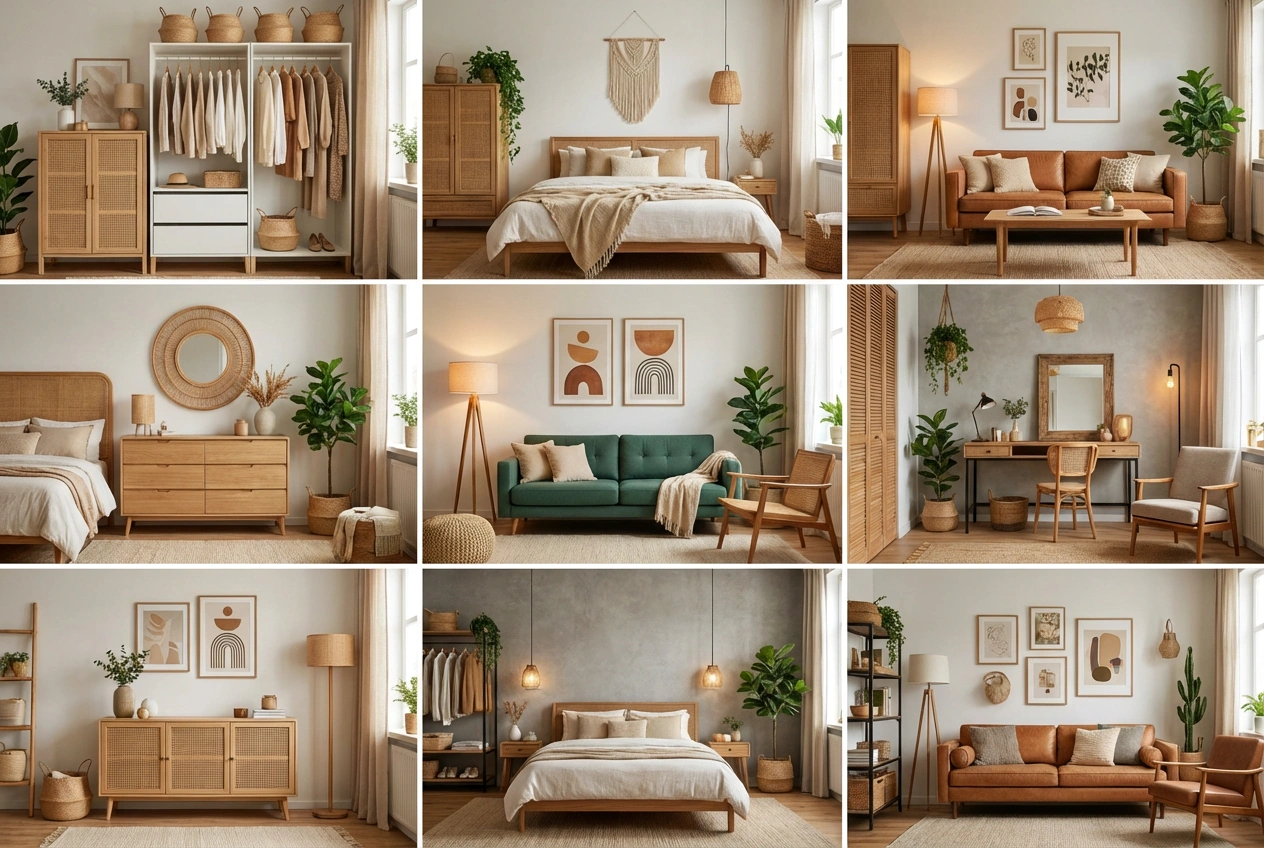
23 Genius Apartment Decorating on a Budget Ideas for Small Spaces
Transforming a small apartment into a stylish and functional haven doesn’t require a limitless budget. In fact, the challenge of apartment decorating on a budget can spark incredible creativity. Whether you’re a renter with limitations or a homeowner looking to refresh a cozy space, smart design choices can make all the difference. This guide is packed with 23 genius ideas that prove you can achieve a magazine-worthy look without overspending. We’ll focus on maximizing every square inch, selecting multi-functional pieces, and using clever styling tricks to create a space that feels both expansive and deeply personal. Get ready to be inspired to turn your compact living area into a reflection of your style, where every detail adds to a sense of comfort and charm.
Why Choose Budget-Friendly Decor for Your Small Space
Choosing to embark on budget-friendly apartment decor is a smart and empowering decision, especially for small spaces. This approach prioritizes ingenuity over expense, leading to a home that is uniquely yours. Firstly, it forces a thoughtful curation process. Instead of filling a room with generic, big-box store items, you learn to hunt for treasures—be it a vintage side table from a flea market, a DIY art project, or a strategically placed mirror that doubles the visual space. Consequently, your apartment becomes a collection of intentional pieces with stories, creating a far more interesting and personal atmosphere than a showroom replica.
Moreover, decorating affordably is inherently sustainable. By upcycling furniture, shopping secondhand, and choosing quality staples you can keep for years, you reduce waste and consumption. This mindful approach not only benefits your wallet but also aligns with a modern, eco-conscious lifestyle. Additionally, a budget-conscious mindset encourages multifunctionality, which is the golden rule for small spaces. A storage ottoman serves as seating, a coffee table, and hidden storage. A bookshelf can act as a room divider. This focus on utility ensures your small apartment isn’t just beautiful; it works hard for your daily life, eliminating clutter and promoting a sense of calm and order.
Ultimately, creating a beautiful home on a limited budget is incredibly rewarding. The process builds confidence in your own taste and capabilities. You learn that style isn’t dictated by price tags but by vision and creativity. The result is a space that feels authentic, cozy, and perfectly tailored to your needs—a true sanctuary that proves fantastic design is accessible to everyone.
Key Elements & Design Components
To successfully execute affordable small space decorating, you need a strategic blend of key elements. These components work together to create harmony, functionality, and visual interest without straining your finances.
Essential Decor Items for Budget-Conscious Small Spaces
- Multifunctional Furniture: This is non-negotiable. Look for sofa beds, storage ottomans, nesting tables, and drop-leaf dining tables. A bed with built-in drawers can eliminate the need for a bulky dresser.
- Strategic Lighting: Overhead lighting can be harsh. Instead, create a warm, layered glow with a mix of floor lamps, plug-in wall sconces (no hardwiring needed), and table lamps. String lights or LED strips can add magical ambiance for pennies.
- Large Mirrors: A well-placed mirror is the oldest trick in the book for a reason. It reflects light and view, making any room feel instantly larger and brighter. Hunt for ornate frames at thrift stores or use simple, leaner mirrors.
- Cohesive Textiles: Rugs, curtains, and throw pillows tie a room together. Choose a simple color palette for these items to create unity. A large, light-colored rug can help define a space and make it feel more grounded.
- Vertical Storage: When floor space is scarce, look up. Floating shelves, tall bookcases, and wall-mounted racks utilize empty wall space for books, plants, and decor, keeping surfaces clear.
- Removable Solutions: For renters, these are lifesavers. Use removable wallpaper for an accent wall, Command strips and hooks for hanging art and shelves, and peel-and-stick tiles to refresh a kitchen backsplash.
Style Variations & Budget-Friendly Alternatives
The beauty of decorating a rental on a budget is that you can adapt any style. For a minimalist look, focus on decluttering and choosing a few statement pieces in neutral tones. A bohemian vibe can be achieved with layered rugs, plenty of plants (start with affordable pothos or snake plants), and macramé wall hangings you can make yourself. If you love modern design, seek out clean-lined, secondhand furniture and update it with a coat of matte black or white spray paint.
Always have cheaper alternatives in mind. Can’t afford a new sofa? A high-quality slipcover can transform your existing one. Dream of gallery walls but original art is pricey? Frame beautiful postcards, fabric swatches, or download high-resolution prints from online museums. Instead of a pricey headboard, use a tapestry, a large piece of weathered wood, or paint a simple shape directly on the wall behind your bed. The key is to identify the feel you want and then brainstorm creative, low-cost ways to achieve it.
How to Achieve the Look: Step-by-Step Styling Guide
Follow this actionable guide to transform your small apartment with savvy, low-cost decorating ideas.
Step 1: Declutter and Plan Your Layout
Before you buy a single thing, critically assess what you own. Donate or sell items you don’t love or use. Then, measure your room and sketch a simple floor plan. Experiment with furniture arrangements that promote easy traffic flow. Often, floating furniture away from walls (like pulling a sofa into the room to create a walkway behind it) can make a space feel larger than pushing everything against the perimeter.
Step 2: Establish a Simple Color Palette
Choose a light, neutral base color (like soft white, beige, or light gray) for your walls and largest furniture pieces. This makes spaces feel airy and open. Then, select two to three accent colors for textiles, art, and accessories. A limited palette creates a cohesive, calm environment that prevents a small space from feeling chaotic.
Step 3: Invest in Key Multifunctional Pieces
Allocate the bulk of your budget to one or two versatile, well-made items. For example, a comfortable sofa with a classic shape or a sturdy, expandable dining table. These anchors will last for years. Then, fill in with more affordable, flexible pieces like stools that can be used as side tables or extra seating.
Step 4: Maximize Vertical Space
Install floating shelves above desks, sofas, and in dead corner spaces. Use a tall, slim bookcase to divide a room without blocking light. Hang pots and pans from a ceiling rack in the kitchen. Mount your TV to free up console surface area. Every item you store vertically is one less item cluttering your floor.
Step 5: Layer Lighting for Ambiance
Eliminate reliance on the single overhead light. Place a floor lamp in a dark corner, use a table lamp on a console for warm task lighting, and add plug-in sconces by your bedside to free up nightstand space. Dimmable bulbs or smart plugs allow you to adjust the mood instantly.
Step 6: Incorporate Reflective Surfaces
Add mirrors opposite windows to bounce light around. Consider furniture with glass tops (like a coffee table) to maintain sightlines. Metallic accents in lamps, frames, or decor also catch and reflect light, adding a touch of glamour.
Step 7: Personalize with DIY and Thrifted Finds
This is where your personality shines. Create your own art, reupholster a thrifted chair, or display a collection of found objects. These unique pieces add soul and tell your story, ensuring your budget apartment makeover feels like home, not a staged catalog.
Elevating the Look: Advanced Styling Tips
Once your foundation is set, these pro tips will add polish and depth to your economical interior design.
Create Visual Height: Hang curtains from the ceiling to the floor, even if your windows are short. This draws the eye upward, making walls seem taller. Similarly, use vertical stripes in art or textiles to enhance this effect.
Style Your Shelves Thoughtfully: Don’t just store items; curate them. Use the rule of thirds: stack some books horizontally, place a plant or vase on top, and leave some empty space. Mix materials (wood, ceramic, metal) and include personal items like photos or travel souvenirs for a layered, collected-over-time look.
Embrace the Power of Plants: Greenery breathes life into any space. For small areas, choose trailing plants (like ivy or philodendron) for high shelves or hanging planters. A large, statement floor plant (like a fiddle leaf fig or monstera) in a beautiful basket can act as living sculpture.
Define Zones with Rugs: In a studio or open-plan space, use different area rugs to define the living, dining, and sleeping areas. This creates psychological separation without building walls. Ensure the rugs are large enough to fit the key furniture pieces of each “zone” on top.
Curate a Cohesive Gallery Wall: Mix frame styles and sizes, but keep a common thread—like all black frames, all natural wood, or all within a specific color palette. Lay out your arrangement on the floor first before committing to hanging. Include a mix of art prints, photographs, and perhaps a small woven textile for texture.
Maintenance & Care: Keeping Your Space Fresh
Maintaining your beautifully decorated small apartment is simple with consistent habits. Firstly, adopt a “one in, one out” rule to prevent clutter from creeping back in. For cleaning, regularly dust vertical surfaces like shelves and blinds, as dust is more noticeable in compact areas. Vacuum small rugs frequently and spot-clean upholstery as needed.
To refresh the look seasonally without spending money, simply rearrange your accessories. Swap throw pillow covers and blankets for lighter or heavier textures. Move art from one wall to another, or bring items out of storage to re-display them. A new, inexpensive bouquet of seasonal flowers or a foraged branch can instantly update a room’s vibe. The goal of budget-friendly home styling is longevity, so choose classic pieces for your big items and have fun changing up the smaller, seasonal details.
FAQs: Frequently Asked Questions About Apartment Decorating on a Budget
Q: I’m a renter and can’t paint or make permanent changes. What can I do?
A: You have tons of options! Use removable wallpaper for accent walls, large tapestries or fabric to cover walls, and Command hooks/strips for hanging everything from art to floating shelves. Layer rugs to cover unsightly flooring, and use freestanding shelves and room dividers to define your space without drilling.
Q: What’s the biggest mistake people make when decorating a small space on a budget?
A: Choosing furniture that’s too large for the room. Always measure your space and the furniture before buying. Another common mistake is using too many small, fussy decor items, which can make a space feel cluttered. Opt for a few larger statement pieces instead.
Q: Where are the best places to find affordable decor?
A: Thrift stores, flea markets, Facebook Marketplace, and estate sales are goldmines for unique furniture. For new items, check discount stores like HomeGoods, IKEA for smart small-space solutions, and online marketplaces for deals. Don’t forget DIY—something you make yourself is often the most affordable and personal option.
Q: How can I make my small apartment look more expensive?
A: Focus on details: ensure your curtains are hung high and touch the floor, upgrade hardware on cabinets and drawers, use matching hangers in your closet, and style your surfaces with intentional groupings (like a tray on a coffee table). Consistent, cohesive styling and good lighting make any space feel elevated.
Q: I have a studio apartment. How do I separate my sleeping area from my living area?
A: Use a large bookcase or a storage unit as a room divider. A folding screen is a classic, flexible option. You can also use a large area rug to define the living zone and a different one (or a plush rug) under the bed to define the sleeping zone. Even a strategically placed sofa with its back to the bed can create a visual barrier.