
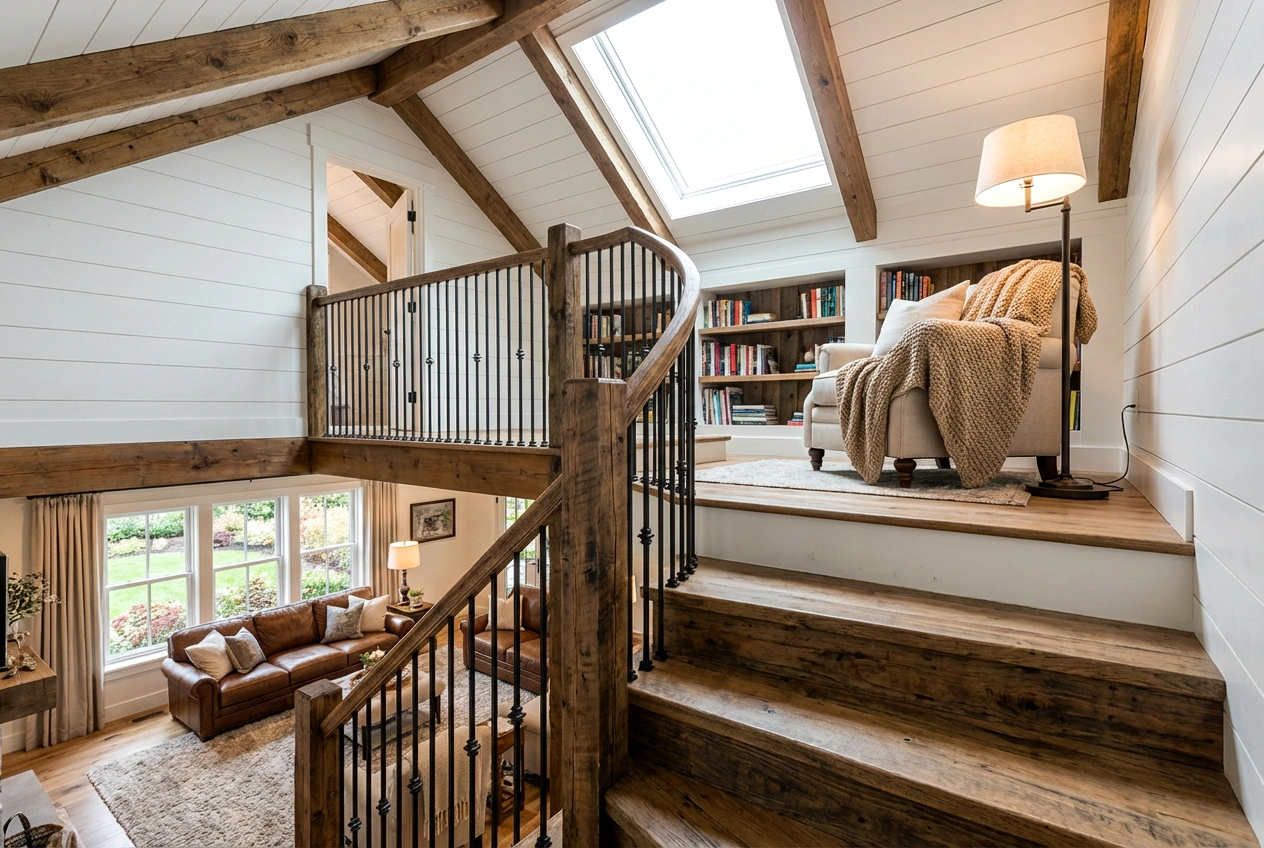
30 Upstairs Loft Ideas: Creative Loft Room Ideas to Transform Your Space
Introduction to 30 Upstairs Loft Ideas: Creative Loft Room Ideas to Transform Your Space
An upstairs loft is more than just an extra room; it’s a canvas of potential perched above your daily life. Often characterized by unique architectural features like sloped ceilings, exposed beams, and oversized windows, these spaces present a thrilling design challenge. The key to unlocking their magic lies in embracing their inherent character while infusing them with purpose and personality. Whether you’re working with a compact attic conversion or a spacious mezzanine, the right loft room ideas can transform this underutilized area into your home’s most cherished sanctuary. This guide is dedicated to inspiring you with 30 creative concepts, from serene home offices and cozy reading nooks to vibrant guest suites and playful entertainment zones. We’ll explore how to maximize vertical space, play with light, and select furnishings that complement the loft’s distinctive angles. Ultimately, a well-designed loft room adds not just square footage, but a profound layer of comfort, functionality, and style to your living environment. Let’s embark on a journey to reimagine your upstairs space.
Why Choose Creative Loft Room Ideas for Your Space
Transforming your loft with intentional design offers a multitude of benefits that extend far beyond simple aesthetics. Firstly, it’s a masterclass in space optimization. In today’s homes, every square foot counts. A creatively planned loft conversion effectively adds a whole new functional zone to your house, whether it becomes a productive home office, a private guest retreat, or a dedicated hobby room. This approach directly increases your home’s livable area and can significantly boost its value.
Furthermore, loft spaces possess a unique emotional appeal. Their separation from the main living areas creates an inherent sense of retreat and privacy. The cocoon-like quality of sloped ceilings can foster incredible coziness, making a loft bedroom or reading corner feel like a personal hideaway. Conversely, with large windows or skylights, the same space can be flooded with natural light, creating an airy, inspiring studio that feels connected to the sky. This versatility in atmosphere is a rare design asset.
Finally, working within the constraints of a loft—the odd corners, low eaves, and structural beams—fuels unparalleled creativity. Instead of viewing these features as obstacles, innovative loft design concepts celebrate them. Exposed brick becomes an accent wall, beams define zones, and awkward nooks transform into built-in storage or charming seating areas. This process results in a space that is deeply personalized and architecturally interesting, ensuring your loft room is not just another room, but the most character-filled chapter in your home’s story.
Key Elements & Design Components
Essential Decor Items for a Transformative Loft Space
To successfully execute your upstairs loft ideas, curating the right elements is crucial. Start with a foundation of versatile, appropriately scaled furniture. Low-profile platform beds, streamlined sofas, and nesting tables work beautifully under sloped ceilings. Multifunctional pieces are your best friend: consider a daybed that serves as both seating and guest sleeping, or a storage ottoman that provides hidden space for blankets.
Textiles are vital for adding warmth and softening the often-angular architecture of a loft room. Layer plush area rugs to define zones and add comfort underfoot. Drape chunky knit throws over seating and use a mix of cushions in varying textures (linen, velvet, wool) to create visual depth. For window treatments, opt for light-filtering roman shades or simple curtains that can be drawn back fully to celebrate any views or light sources.
Lighting requires a strategic, multi-layered approach. Combine ambient, task, and accent lighting. Pendant lights or a small chandelier can become a stunning focal point, while adjustable wall sconces or sleek floor lamps are perfect for reading corners. Don’t forget to highlight architectural features with discreet LED strip lights along beams or in bookshelves.
Accessories should be intentional and personal. Use mirrors strategically to reflect light and create the illusion of more space. Artwork leaned against walls (rather than hung) can suit the casual vibe of a loft. Finally, incorporate greenery; tall, slender plants like a fiddle leaf fig or a snake plant can thrive in bright loft spaces and add a vital touch of life.
Style Variations & Budget-Friendly Alternatives
Your attic room inspiration can adapt to any style or budget. For a modern loft, stick to a monochromatic palette, sleek metal finishes, and minimalist furniture. A rustic-mezzanine concept, however, would embrace raw wood, exposed brick, and layered, textured textiles.
Budget constraints need not limit your vision. Instead of built-in cabinetry, use a series of matching bookcases or painted crates for storage. Removable peel-and-stick wallpaper can create a dramatic accent wall without the commitment or cost of traditional paper. For lighting, shop second-hand for unique fixtures or update basic lamps with new, stylish shades. Furthermore, a gallon of paint is one of the most transformative and cost-effective tools available; a fresh coat on walls, ceilings, or even floors can completely redefine the space. The key is to prioritize: invest in one or two quality anchor pieces (like a comfortable sofa or a good mattress) and save on decorative items you can easily swap out later.
How to Achieve the Look: Step-by-Step Styling Guide
Crafting your perfect loft space is a rewarding process. Follow this step-by-step guide to bring your creative loft room ideas to life.
Step 1: Define the Primary Function and Plan Your Zones
Before purchasing a single item, decide on the room’s primary purpose. Is it a bedroom, office, lounge, or a hybrid? Then, map out zones on a floor plan. Identify the area with the highest ceiling for standing activities, and allocate the cozier, lower-ceilinged nooks for seating, storage, or sleeping. This planning stage is critical for maximizing the flow and utility of your unique layout.
Step 2: Address the Architecture and Lighting Plan
Embrace and enhance the existing architecture. Paint exposed beams or ductwork in a contrasting color to make them a feature, or color-match them to the ceiling to help them recede. Next, draft your lighting plan. Ensure you have an overhead source for general light, task lighting for specific activities (like a desk lamp), and ambient lighting (like floor lamps or wall sconces) to create mood. If possible, maximize natural light by keeping window areas clear.
Step 3: Select a Cohesive Color Palette and Materials
Choose a color scheme that supports the room’s function. Light, airy colors (whites, pale grays, soft blues) will make the space feel larger and more open, which is ideal for home offices or studios. Conversely, rich, deep hues (navy, charcoal, forest green) can make a bedroom or media room feel intimate and cocooning. Stick to 2-3 main colors and use textures in your materials—wood, metal, wool, linen—to add interest.
Step 4: Source and Arrange Scale-Appropriate Furniture
Shop for furniture that fits the scale of the room. Low-slung pieces are generally safer under sloped ceilings. Place the largest item (like a bed or sofa) first, typically in the most spacious zone. Float furniture away from walls when possible to improve circulation. Use rugs to anchor each defined zone, even if they are in one open room.
Step 5: Implement Smart Vertical Storage Solutions
Capitalize on vertical space, which is often abundant in lofts. Install shelves up to the ceiling for books and decor. Use tall, slender dressers or cabinets. Consider custom or DIY built-ins in awkward eaves to create seamless, massive storage for everything from clothing to hobby supplies, keeping the floor space clear and tidy.
Step 6: Layer in Textiles and Personal Decor
This is where the space becomes cozy and personal. Layer rugs, add throws and cushions in your chosen palette, and hang or lean artwork that speaks to you. Incorporate items with personal meaning—travel souvenirs, family photos, collections—to ensure the room reflects your personality and feels truly lived-in.
Elevating the Look: Advanced Styling Tips
Once the foundation is set, these advanced tips will polish your loft design concepts to perfection. First, consider the power of a statement ceiling. Since it’s such a dominant feature, painting it a bold color, adding wallpaper, or even installing wood planks can create breathtaking drama. Secondly, master the art of curated clutter. In a loft’s open shelving, style items in groups of three, vary heights, and mix books with objects and plants for a collected, designer look.
Pay meticulous attention to sight lines. What do you see when you first enter the space? Frame that view with a beautiful piece of furniture or art. Similarly, use a large mirror to reflect the best part of the room or a window, effectively doubling the visual interest and light. Finally, don’t neglect the fifth wall—the floor. A painted floor pattern, a high-quality large-format rug, or beautifully finished hardwoods can ground the entire design and elevate it from simple to spectacular.
Maintenance & Care: Keeping Your Loft Space Fresh
Maintaining your newly transformed loft ensures it remains a sanctuary. Dust and vacuum regularly, paying special attention to high shelves and the tops of beams where dust accumulates. For textile care, rotate and fluff cushions, and wash throws and slipcovers seasonally to keep them looking fresh. If your attic room inspiration includes lots of plants, establish a consistent watering routine and wipe leaves to keep them dust-free and healthy.
To keep the space feeling dynamic, consider seasonal “refreshes.” Swap out cushion covers and throws for lighter linens in summer and heavier wools in winter. Rotate artwork and decorative objects from other parts of your home to give the room a new perspective without any major spending. A well-maintained loft room will continue to inspire and serve you for years to come.
FAQs: Frequently Asked Questions About Loft Room Ideas
Q: How can I make my small, dark loft feel bigger and brighter?
A: Use a light, reflective color palette (whites, creams, light grays) on walls and ceilings. Incorporate multiple mirrors to bounce light around. Choose low-profile, leggy furniture that doesn’t block sightlines. Finally, employ a layered lighting strategy with ample ambient and task lights to compensate for any lack of natural light.
Q: What are the best furniture choices for a loft with very low ceilings?
A: Opt for furniture with a low vertical profile. Platform beds, backless daybeds, and chaise lounges are excellent. Avoid tall headboards, high-backed armchairs, and bulky armoires. Instead, use under-eave drawers and floating shelves for storage.
Q: Can I create a functional home office in a loft space?
A: Absolutely. In fact, a loft can be an ideal home office, offering separation from household distractions. Position your desk near the best natural light source. Ensure you have strong task lighting for evenings. Use vertical files and shelving for paperwork, and invest in a comfortable, ergonomic chair. Sound-absorbing rugs and curtains can also help with acoustics.
Q: How do I handle heating and cooling in a finished loft?
A: Lofts can be prone to temperature extremes. Consult with an HVAC professional to see if your system can be extended. Supplemental solutions like a ductless mini-split system, ceiling fans to circulate air, or strategically placed space heaters and window AC units can be very effective. Proper insulation during the conversion phase is the most critical factor.
Q: Are loft rooms suitable for children?
A: With careful planning, yes! They can make magical bedrooms or playrooms. Ensure all windows have secure locks and guards. Use soft, padded rugs. Create clear, safe play zones away from any steep stairs. Built-in beds and storage can maximize floor space for play. Always prioritize safety in your loft room ideas for kids.