
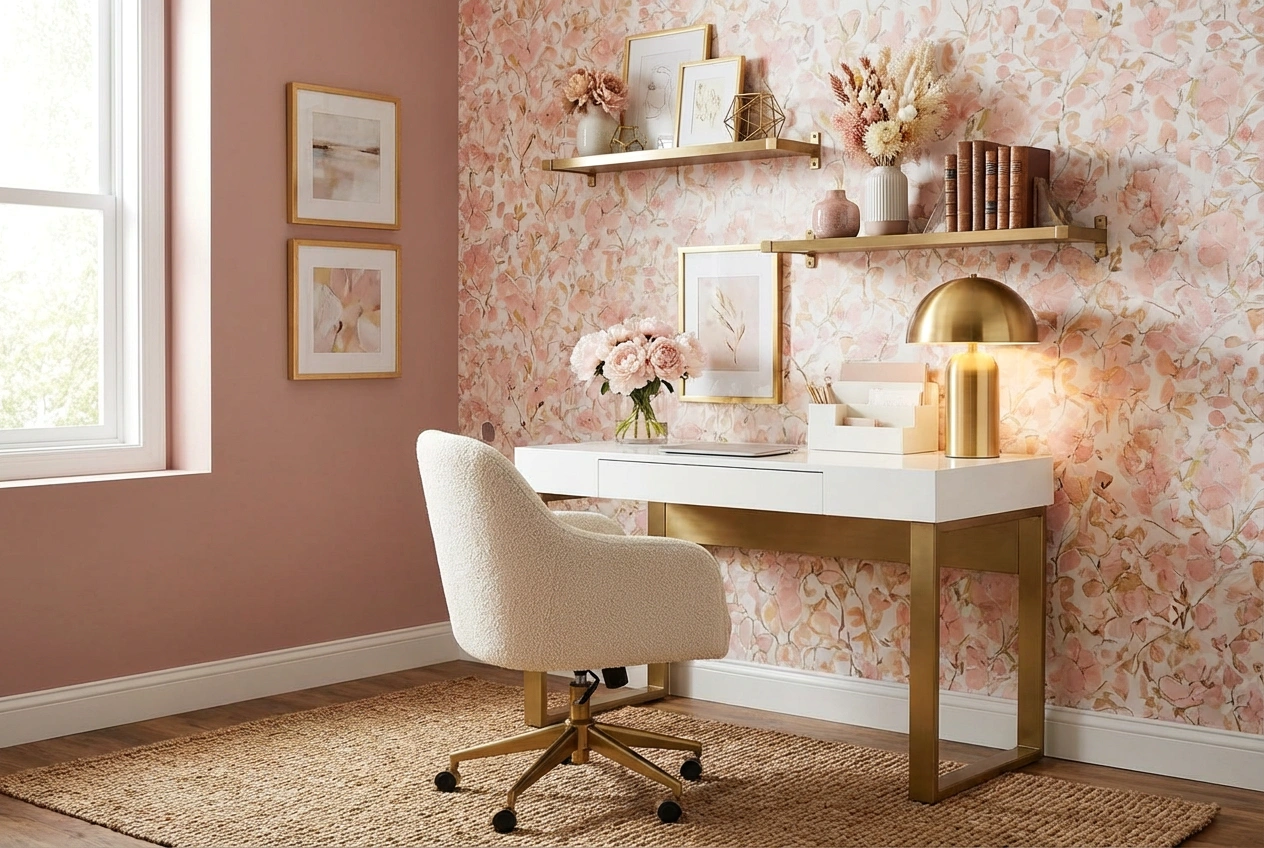
Modern Study Table and Chair Ideas to Elevate Your Workspace Aesthetic and Productivity
Introduction to Modern Study Table and Chair Ideas to Elevate Your Workspace Aesthetic and Productivity
In today’s world, where remote work and dedicated learning spaces are more prevalent than ever, the humble home office or study nook has transformed from an afterthought into a sanctuary of productivity and personal expression. Consequently, the choice of a study table and chair is no longer just about function; it’s the foundational duo that sets the tone for your entire workspace. Modern design principles offer a compelling solution, merging sleek aesthetics with ergonomic intelligence to create an environment that inspires focus and fuels creativity. This style moves beyond the sterile, corporate feel of old, instead embracing clean lines, thoughtful materials, and a harmonious balance between form and purpose. Whether you’re a professional tackling deadlines, a student immersed in research, or a creative pursuing a passion project, curating your desk area with intention can profoundly impact your output and well-being. Ultimately, by investing in a modern workspace setup, you’re not just furnishing a corner of a room—you’re architecting a personal hub designed for success, comfort, and daily inspiration.
Why Choose Modern Study Table and Chair Ideas to Elevate Your Workspace Aesthetic and Productivity for Your Space
Opting for a modern aesthetic in your home office is a strategic decision that pays dividends in both visual appeal and practical performance. First and foremost, modern design is synonymous with clarity and efficiency. A minimalist desk and chair combination eliminates visual clutter, which directly reduces mental clutter, allowing you to channel your energy into the task at hand. Furthermore, this style heavily prioritizes ergonomics. Modern office chairs are engineered with adjustable lumbar support, seat depth, and armrests, promoting healthy posture during long hours of use. Paired with a desk at the correct height, this ergonomic workspace furniture actively combats fatigue and strain, making your work sessions more sustainable and comfortable.
Beyond physical comfort, a modern study space cultivates a specific atmosphere: one of calm, focused sophistication. The use of neutral color palettes, natural materials like wood and metal, and strategic lighting creates a serene environment that minimizes distractions. This aesthetic is also incredibly versatile; it can be adapted to fit a spacious dedicated room or a cleverly integrated nook in a living area or bedroom. Additionally, the emphasis on clean lines and multi-functional pieces, such as a writing desk with integrated storage, makes modern design ideal for maximizing small spaces. Ultimately, choosing a modern study table and chair setup is an investment in your daily quality of life, blending timeless style with the practical needs of contemporary work and study habits to create a space that is both beautiful and brilliantly functional.
Key Elements & Design Components
Essential Decor Items for Modern Study Table and Chair Ideas to Elevate Your Workspace Aesthetic and Productivity
To build a cohesive and effective modern workspace, focus on selecting core pieces that embody the principles of simplicity, quality, and purpose.
- The Anchor: Desk & Seating: The study table is your command center. Look for designs with clean, straight lines or gentle curves. Popular materials include solid wood (like oak or walnut) for warmth, lacquered MDF for a sleek finish, or glass and metal for an industrial edge. Consider functionality: do you need drawer storage, cable management grommets, or a spacious top? Your ergonomic chair is equally critical. Prioritize adjustable features—height, armrests, and back tilt. Aesthetic options range from mesh-backed task chairs to upholstered executive models in neutral fabrics or leather.
- Illumination: Layered lighting is non-negotiable. An adjustable desk lamp (like an articulated arm or architect lamp) provides focused task lighting. Complement this with ambient overhead lighting (a simple pendant or flush mount) and perhaps indirect floor lighting to reduce eye strain and set the mood.
- Storage Solutions: Clutter is the enemy of modern design. Incorporate floating shelves, a slim filing cabinet, or decorative boxes to keep essentials organized but out of sight. The goal is to have a place for everything, maintaining the clean surface of your workstation.
- Color & Material Palette: Stick to a restrained color scheme. Base colors like white, grey, beige, or black allow accent colors to pop. Introduce texture and warmth through materials: a wool desk pad, a wooden monitor stand, a metal pen holder, or a live-edge computer desk.
- Personalized Accessories: This is where personality shines. Choose a few meaningful items: a piece of framed art or photography, a single healthy plant (like a snake plant or ZZ plant), a stylish notebook, and a high-quality pen. Each item should serve a purpose or bring joy, avoiding unnecessary knick-knacks.
Style Variations & Budget-Friendly Alternatives
The modern aesthetic is wonderfully adaptable. For a Scandinavian-inspired look, choose light wood tones (like ash or pine), white walls, and chairs with organic shapes. An Industrial Modern vibe uses reclaimed wood desks, black metal frames, and Edison bulb lighting. If your space is small, a wall-mounted desk or a floating shelf desk can be a space-saving miracle, creating a compact study area without sacrificing style.
For those on a budget, creativity is key. Instead of a new office desk, consider upcycling a sturdy vintage table with a fresh coat of paint. A simple dining chair can be made more comfortable with an affordable ergonomic cushion. Use painted crates or stackable storage cubes for DIY shelving. Furthermore, great design can be found at flat-pack furniture retailers, online marketplaces for second-hand finds, and even DIY projects. The principle is to invest in one or two quality key pieces, like a good chair, and economize on accessories and storage.
How to Achieve the Look: Step-by-Step Styling Guide
Crafting your perfect modern workspace is a systematic process. Follow these steps to build a room that is both stylish and supremely functional.
Step 1: Define Your Zone and Layout
Begin by assessing your available space. Identify the best location for your study table and chair, considering natural light sources and power outlets. Ensure there’s enough room for the chair to slide out comfortably and for you to move around. For example, position your desk setup to face a window or a blank wall to minimize distractions, or place it perpendicular to a wall to define the zone in an open-plan room.
Step 2: Select Your Foundational Furniture
This step is about choosing your desk and ergonomic chair. Measure your space meticulously. For the desk, decide on your required surface area and storage needs. For the chair, prioritize adjustability and lumbar support—try before you buy if possible. These two pieces should harmonize in style and scale; a heavy, wooden executive desk pairs well with a substantial chair, while a slim, white writing desk might suit a lighter, airier seat.
Step 3: Establish a Cohesive Color Palette
Choose a base palette of two to three colors. A classic modern scheme is white walls with a grey or wood-toned workstation and black metal accents. Alternatively, try deep navy walls with a light oak desk and brass details. Apply this palette consistently to your larger items: furniture, storage units, and even your office chair fabric.
Step 4: Implement Strategic Lighting
Install your three layers of light. First, ensure adequate ambient light from the ceiling. Then, add your task light—position your desk lamp on the opposite side of your dominant hand to prevent shadows. Finally, consider a floor lamp in a corner for soft, indirect glow in the evenings, which makes the entire study space more inviting.
Step 5: Integrate Smart Storage
Before items accumulate, plan where everything will live. Use drawers for daily essentials, shelves for books and decor, and cable management clips or a sleeve to tame wires. The surface of your study table should remain as clear as possible, hosting only your computer, lamp, and one or two active items.
Step 6: Accessorize with Intention
This is the finishing touch. Add a plant for life, a piece of art for inspiration, and a comfortable desk pad for texture. Choose accessories that align with your color palette and material story. For instance, a concrete pot for a succulent, a black metal frame, and a neutral felt desk organizer. Each addition should feel deliberate.
Elevating the Look: Advanced Styling Tips
Once the basics are in place, these nuanced touches can transform your workspace from great to exceptional.
- Artful Asymmetry: Avoid perfectly symmetrical arrangements. Place your desk lamp on one side and a tall plant on the other. Hang a gallery wall of frames in different sizes but with consistent matting and spacing. This creates dynamic visual interest.
- Textural Layering: Modern doesn’t have to mean cold. Introduce warmth and depth through texture: a chunky knit throw over your chair, a leather desk blotter, a smooth stone paperweight, or a woven basket for storage. These elements make the space tactile and inviting.
- Tech Integration as Decor: Let your technology enhance the aesthetic. Use a monitor with a slim bezel, choose a wireless keyboard and mouse, and conceal routers or hard drives in stylish boxes. A sleek monitor light bar can also be a more minimalist alternative to a traditional desk lamp.
- Reflective Surfaces: Incorporate mirrors, glass desk tops, or metallic accessories to bounce light around the room, making a compact study area feel larger and brighter.
- Scent and Sound: Engage all the senses. A subtle diffuser with a focus-enhancing scent like peppermint or rosemary can boost concentration. Similarly, a small, design-forward speaker for playing ambient music or white noise completes the immersive experience of your personalized home office.
Maintenance & Care: Keeping Your Space Fresh
A modern workspace thrives on order and cleanliness. To maintain its pristine look, establish a simple end-of-day ritual: clear all papers and items not in permanent use, wipe down your desk surface with an appropriate cleaner (wood polish, glass cleaner, etc.), and fluff any chair cushions. For your office chair, regularly vacuum fabric to remove dust and check mechanisms for tightness. Dust floating shelves and electronics weekly to prevent buildup.
To keep the space feeling fresh over time, consider seasonal “refreshes.” This doesn’t mean redecorating; simply swap out a few accessories—change the artwork, switch your desk plant, or add a new colored desk pad. This prevents visual fatigue and keeps your workspace setup feeling dynamic and inspiring. Periodically reassess your storage needs and declutter drawers to ensure your system remains efficient.
FAQs: Frequently Asked Questions About Modern Study Table and Chair Ideas to Elevate Your Workspace Aesthetic and Productivity
Q: Can I create a modern workspace in a very small area, like a closet or corner?
A: Absolutely. Modern design is ideal for small spaces. Opt for a wall-mounted desk or a floating shelf desk to save floor space. Use a slim-profile chair that can tuck completely under the desk. Maximize vertical storage with shelves above the desk and use light colors to make the compact study area feel more open.
Q: I love color. Does modern design mean I have to stick to only white, black, and grey?
A: Not at all. While neutrals are a hallmark, modern design can beautifully incorporate color. The key is restraint and intention. Choose one or two accent colors and use them strategically—for example, a vibrant ergonomic chair, a piece of bold art, or colored desk accessories against a neutral backdrop. This creates a focused and sophisticated pop of personality.
Q: What’s the most important piece to invest in: the desk or the chair?
A: If your budget forces a choice, invest more in a high-quality, adjustable ergonomic chair. You interact with it for hours, and it has a direct impact on your health and comfort. You can often find a simple, stylish, and functional writing desk at a more accessible price point that will still serve you well.
Q: How can I hide all the cables from my computer, monitor, and lamp?
A: Cable management is crucial for a clean look. Use adhesive-backed cable clips or channels to run wires along the back legs of your study table. A desk with a cable management grommet or tray is a great feature. For a comprehensive solution, gather all cables into a sleeve or use a power strip mounted underneath the desk to keep plugs off the floor.
Q: Are standing desks considered part of modern workspace design?
A: Yes, electric or manual height-adjustable standing desks are a very popular and health-conscious element of modern home office design. They perfectly align with the ethos of functionality and well-being. Look for models with clean lines and stable mechanisms to maintain the aesthetic.