
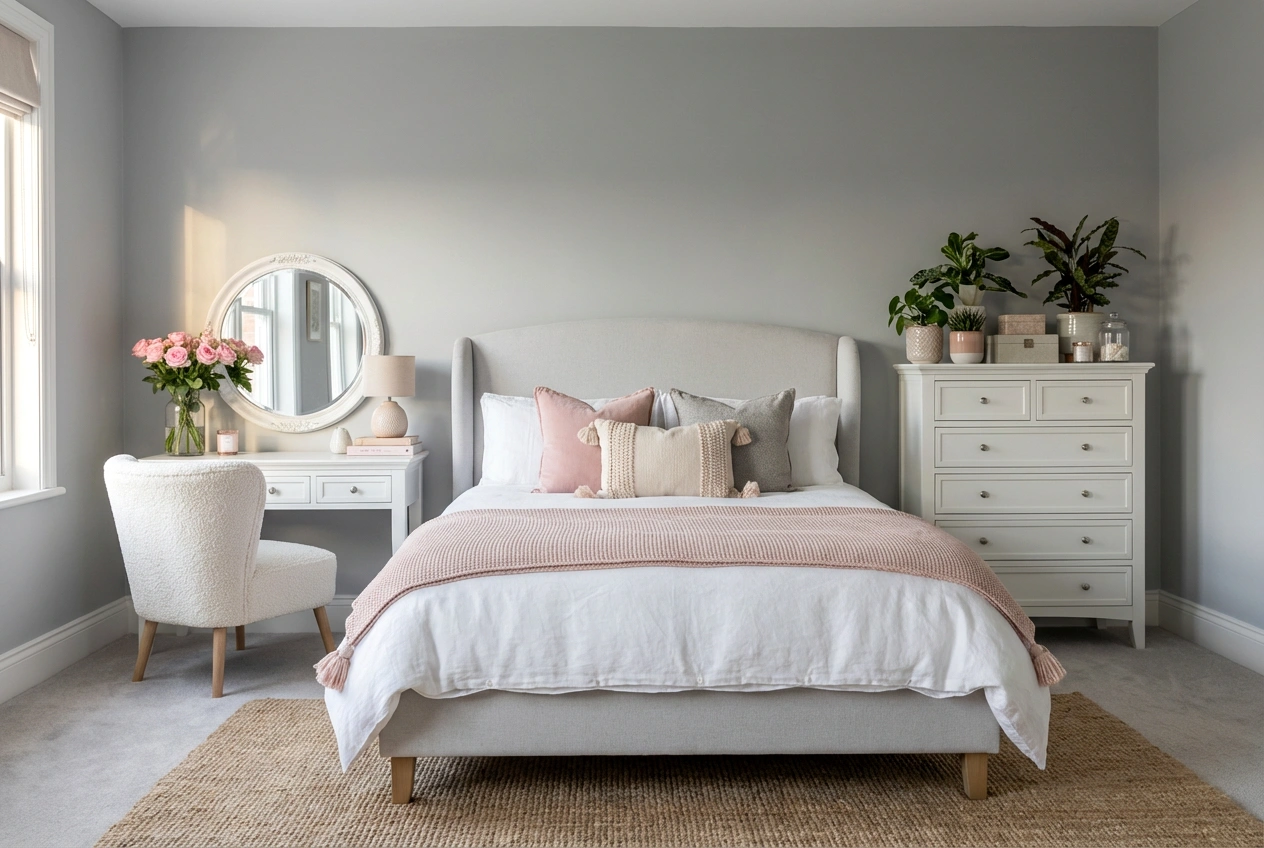
Calm and Stylish Grey Room Ideas Bedroom: Transform Your Space with These Elegant Tips
Introduction to Calm and Stylish Grey Room Ideas Bedroom: Transform Your Space with These Elegant Tips
Imagine a sanctuary where the day’s stress melts away the moment you step inside. A bedroom that feels both effortlessly chic and profoundly peaceful. This is the transformative power of a well-executed grey bedroom scheme. Far from being cold or dull, grey is the ultimate chameleon of the design world, offering a sophisticated, neutral backdrop that soothes the senses and elevates your personal space. When you explore grey room ideas bedroom, you unlock a world of potential where calm meets style. This versatile hue can evoke the softness of morning fog, the sleekness of polished stone, or the cozy warmth of a cashmere blanket. Consequently, a grey bedroom becomes more than just a place to sleep; it transforms into a personal retreat that balances modern elegance with timeless comfort. Whether you lean towards minimalist Scandinavian cool, opulent Hollywood glamour, or rustic farmhouse charm, a grey foundation provides the perfect canvas. Ultimately, this guide will show you how to harness the subtle power of grey to create a bedroom that is not only visually stunning but also a true haven for rest and rejuvenation.
Why Choose a Grey Bedroom for Your Space
Choosing grey as the cornerstone of your bedroom design is a decision that marries aesthetic intelligence with practical benefits. Firstly, grey is unparalleled in its ability to create visual harmony and a sense of calm. Its neutral nature acts as a visual balm, reducing visual noise and promoting relaxation, which is essential for a space dedicated to rest. Moreover, grey possesses an incredible chameleon-like quality. It can be warm or cool, light or dark, making it adaptable to any compass direction, room size, or personal style preference. A north-facing room can be warmed with greige (a blend of grey and beige), while a south-facing room can be cooled with a blue-grey tint.
Furthermore, a grey bedroom scheme offers exceptional longevity. Unlike trend-driven colors that may feel dated in a few years, grey is a classic. It provides a timeless backdrop that allows you to update your room’s accent colors, textiles, and accessories with the seasons or your evolving tastes without needing a complete overhaul. From a functional perspective, grey is also wonderfully forgiving. It hides minor imperfections and dust better than stark whites or deep blacks, making maintenance simpler. For those concerned about space, light-reflective pale greys can make a small bedroom feel more airy and expansive, while deep charcoal can add cozy, enveloping intimacy to a larger room. In essence, opting for stylish grey bedroom decor is a smart, stylish, and soothing choice that enhances both the form and function of your most personal space.
Key Elements & Design Components
Essential Decor Items for a Grey Bedroom Sanctuary
To build your serene grey retreat, you’ll need to thoughtfully layer key elements. The foundation, of course, is the grey color palette. Don’t settle for one flat shade. Instead, create depth by using a monochromatic scheme: choose a primary wall color (like a light silver-grey), a slightly darker tone for large furniture (a charcoal bed frame), and accent with textures in complementary greys.
The Bed: This is the focal point. An upholstered headboard in velvet or linen grey adds instant luxury and softness. A sleek, dark grey wooden or metal frame offers a more modern, structured look.
Textiles: This is where warmth and texture are introduced. Layer bedding in different fabrics—crisp cotton sheets, a chunky knit throw, and a velvet cushion. Incorporate varying shades of grey and white, and don’t shy away from pattern; a subtle grey stripe or geometric print adds interest.
Flooring & Rugs: A large area rug is non-negotiable. It anchors the space and adds softness underfoot. Choose a plush, neutral rug in ivory, beige, or a lighter grey to contrast with darker floors, or a bold patterned rug with grey tones to define a seating area.
Lighting: Ambient, task, and accent lighting are crucial. A statement pendant or chandelier provides ambient light. Add bedside table lamps with fabric shades for warm task lighting, and consider LED strip lights behind the headboard or a floor lamp in a corner for accent glow.
Metals & Wood: Introduce warmth through natural materials. Brass, gold, or copper hardware and light fixtures add a touch of glamour and prevent the space from feeling cold. Similarly, walnut, oak, or rattan elements in furniture, mirror frames, or decorative objects bring organic texture.
Art & Accessories: Finally, personalize the space. Artwork with pops of color (mustard yellow, blush pink, navy blue) or in black and white creates a focal point. Use mirrors to reflect light. Live greenery in simple pots adds life and a fresh contrast to the muted tones.
Style Variations & Budget-Friendly Alternatives
The beauty of a grey bedroom design lies in its adaptability. Here’s how to tailor it to different aesthetics and budgets:
Style Variations:
* Modern Minimalist: Stick to a strict palette of light grey, white, and black. Choose furniture with clean lines and hidden storage. Keep accessories to a bare minimum.
* Scandinavian: Use very light, airy greys on walls. Incorporate plenty of natural light, pale wood (like ash or pine), and textured textiles in white and cream. Add a single pop of pastel color.
* Industrial: Feature exposed brick walls (or wallpaper that mimics it) paired with deep charcoal greys. Use metal accents (iron, brushed nickel), Edison bulb lighting, and reclaimed wood.
* Glamorous: Opt for a medium-toned grey on walls. Incorporate high-shine elements like a mirrored nightstand, crystal chandelier, and silky grey bedding. Use luxurious textures like faux fur and velvet.
Budget-Friendly Swaps:
* Paint is Your Best Friend: The most impactful change is often a fresh coat of paint. A quality grey paint can transform the entire room on a modest budget.
* DIY Headboard: Create an upholstered headboard with plywood, batting, and fabric instead of buying one.
* Second-Hand & Upcycled Furniture: Look for solid wood dressers or side tables at thrift stores and give them a new life with grey chalk paint and modern hardware.
* Removable Wallpaper: For renters or the commitment-averse, use removable wallpaper in a grey pattern on a single accent wall.
* Textile Updates: Instead of new furniture, invest in high-quality grey bedding, a new rug, and curtains. These soft furnishings dramatically alter the room’s feel.
* Accessorize Strategically: Update lamp shades, add new throw pillows, or display books with grey spines. Small, intentional accessories refresh the look without major expense.
How to Achieve the Look: Step-by-Step Styling Guide
Follow this actionable guide to build your calm and stylish grey bedroom from the ground up.
Step 1: Define Your Grey Palette and Paint
Begin by selecting your dominant grey tone. Gather paint swatches and observe them in your room at different times of day. Decide on the undertone (blue, green, purple, or brown) that best suits your light and desired mood. Paint your walls in your chosen shade. For added dimension, consider painting the ceiling a lighter tint of the same grey or using a darker grey on a single accent wall behind the bed.
Step 2: Establish the Furniture Layout
Place your bed as the central focal point, typically on the wall opposite the door or the longest uninterrupted wall. Ensure there is enough space to walk on both sides (if possible). Position nightstands on either side for balance. Place the dresser or a storage bench where it doesn’t obstruct flow. In a small bedroom, a layout that maximizes floor space is key, so consider a bed with built-in storage.
Step 3: Layer Textiles for Depth and Comfort
Start with your bedding. Use a base of white or cream sheets to keep things fresh. Add a grey duvet cover or quilt. Layer a textured blanket or knit throw at the foot of the bed. Pile on pillows in various sizes and grey-toned fabrics (linen, velvet, cotton). Finally, lay down a large area rug that extends under the bed and nightstands to unify the space.
Step 4: Incorporate Lighting Layers
Install your main overhead light (dimmable is ideal). Then, add two matching table lamps on the nightstands for symmetrical, soft task lighting. Finally, introduce a third light source, such as a floor lamp in a corner or a small lamp on the dresser. This trio ensures the room is functional and atmospheric at any hour.
Step 5: Add Warmth with Wood and Metal
Introduce natural elements to prevent the grey scheme from feeling sterile. Bring in a wooden stool, a rattan basket for laundry, or a live-edge shelf. Choose one metal finish (e.g., brushed brass) and apply it consistently to drawer pulls, lamp bases, and picture frames to create cohesion.
Step 6: Personalize with Art and Accessories
Hang artwork above the bed or on a prominent wall. A large piece or a curated gallery wall both work well. Style your surfaces thoughtfully: a stack of books, a small vase, a scented candle, or a decorative tray on the nightstand. Add a full-length mirror and some potted plants to complete the look with life and reflection.
Elevating the Look: Advanced Styling Tips
Once the foundation is set, these advanced tips will polish your elegant grey bedroom to perfection.
Play with Advanced Texture: Go beyond standard fabrics. Consider a grasscloth wallpaper on an accent wall, a sheepskin rug draped over a chair, or a bedspread with a subtle embroidered pattern. The interplay of rough (basketweave), smooth (marble), soft (cashmere), and shiny (silk) will create a rich, tactile experience.
Master the Art of the Accent Color: While a monochromatic grey room is stunning, a strategic accent color adds sophistication. Mustard yellow exudes energy, blush pink brings romance, deep emerald green feels luxurious, and navy blue offers classic contrast. Use the 60-30-10 rule: 60% grey, 30% white/neutral, 10% accent color in pillows, art, or a single piece of furniture.
Curate a Visual Journey: Guide the eye through the room. Place the largest pattern (e.g., on a rug or duvet) low, medium patterns (curtains) at mid-level, and the smallest patterns (pillows, art) at eye level and above. This creates a balanced, engaging visual flow.
Consider Scale and Repetition: Use a mix of large, medium, and small decorative objects. Repeat shapes, colors, or materials in different parts of the room. For example, the brass from a lamp base can be echoed in a picture frame and a small trinket dish, creating a subtle thread of continuity.
Embrace Asymmetry (Carefully): While symmetry is calming, a touch of asymmetry can feel dynamic and modern. Try two different-but-complementary nightstands, or a cluster of pictures hung off-center balanced by a tall floor lamp on the other side of the bed.
Maintenance & Care: Keeping Your Grey Sanctuary Fresh
Maintaining the serene aesthetic of your calm grey bedroom is straightforward with a consistent routine.
For Textiles: Regularly wash bedding according to label instructions to keep whites bright and greys from becoming dingy. Vacuum rugs weekly and have them professionally cleaned annually. Rotate and flip mattresses and cushions seasonally to ensure even wear.
For Surfaces: Dust wooden furniture and decor weekly with a microfiber cloth. Use appropriate cleaners for metal finishes (e.g., a specific brass polish) to maintain their luster without damaging them. Quickly treat any stains on upholstered headboards or chairs with a suitable fabric cleaner.
For Walls & Floors: Touch up paint scuffs on walls as they occur, keeping a small jar of your wall paint for this purpose. Clean hard floors with a damp mop suitable for the material (wood, laminate, etc.), being careful not to use overly wet methods that can damage the finish.
Refreshing the Decor: To keep the space feeling new without a full redesign, simply swap out accessories seasonally. Change throw pillows and blankets for lighter linen in summer and heavier knits in winter. Update the artwork or rearrange decorative objects on shelves. Introduce new cuttings or plants to bring in evolving natural elements.
FAQs: Frequently Asked Questions About Grey Bedrooms
Q: Won’t a grey bedroom feel cold and depressing?
A: Not at all! The key is in the undertones and texture. Choose greys with warm undertones (like greige or taupe) and avoid flat, cool greys in dark rooms. Abundant texture in textiles (wool, knit, velvet) and the incorporation of warm metals (brass, gold) and natural wood will create a cozy, inviting atmosphere far from cold.
Q: What colors go best with grey in a bedroom?
A: Grey is incredibly versatile. For a serene look, pair it with whites, creams, and other greys (monochromatic). For pops of color, it works beautifully with blush pink, navy blue, mustard yellow, sage green, or even rich jewel tones like emerald. For a timeless scheme, black and white with grey is always elegant.
Q: How can I make a small grey bedroom look bigger?
A: Use light, reflective greys on the walls and ceiling. Choose furniture with exposed legs to allow light to flow underneath. Incorporate a large mirror to reflect light and create the illusion of depth. Keep window treatments simple and ensure plenty of layered lighting to eliminate dark corners.
Q: Is grey a good color for a bedroom if I have low natural light?
A: Yes, but choose your shade carefully. Opt for a very light grey with a warm undertone (like a pale greige) to maximize light reflection and add warmth. Avoid dark or cool-toned greys, which can make a dim room feel cave-like. Compensate with ample artificial lighting in warm white tones.
Q: Can I mix different shades of grey in one room?
A: Absolutely! In fact, mixing shades is encouraged to create depth and interest. Stick to greys with the same underlying undertone (e.g., all blue-based greys or all brown-based greys) to ensure harmony. Layer them from light (walls) to medium (furniture) to dark (accents) for a cohesive, designer look.