
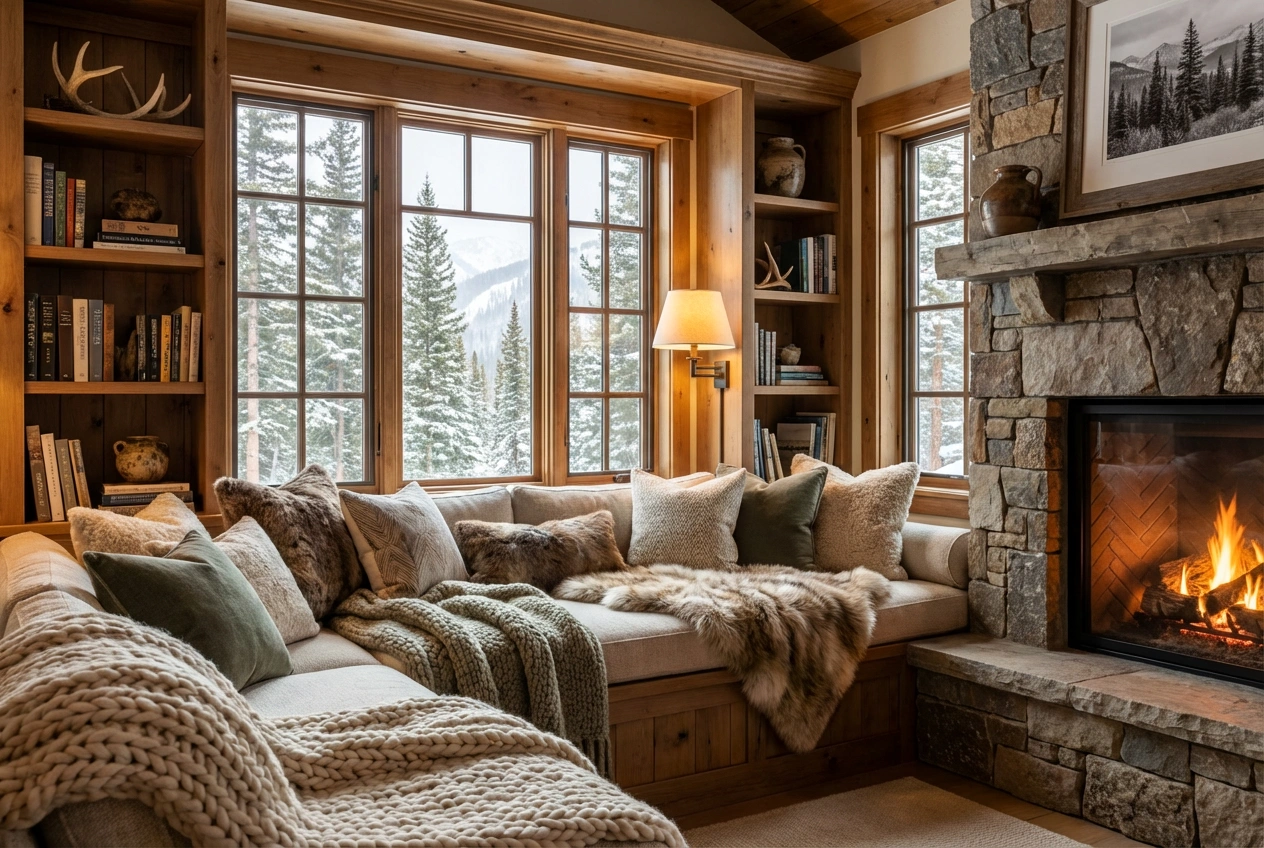
29 Cozy Mountain Cabin Interiors: 29 Inspiring Alpine Design Ideas for Mountain Lovers
Introduction to 29 Cozy Mountain Cabin Interiors: 29 Inspiring Alpine Design Ideas for Mountain Lovers
Imagine a sanctuary where the crisp, pine-scented air seems to seep through the walls, and the warmth of a crackling fire is reflected in every carefully chosen detail. This is the essence of authentic mountain cabin interiors—a design philosophy that transcends mere decoration to create a profound sense of refuge and connection to nature. Far from the clichéd, overly rustic lodge look, modern alpine design masterfully blends rugged textures with refined comfort, resulting in spaces that are both deeply inviting and intentionally stylish. For mountain lovers, this aesthetic isn’t just about a vacation home; it’s a way to weave the tranquility and raw beauty of the high country into the very fabric of daily life. Whether you live slopeside or in a suburban neighborhood, embracing these cozy cabin decor principles can transform your home into a personal retreat. This guide will walk you through 29 inspiring ideas to capture that soul-soothing, alpine atmosphere, proving that you can cultivate a haven of hygge and rustic elegance no matter your location.
Why Choose Mountain Cabin Interiors for Your Space
Choosing to design your home with mountain cabin aesthetics is a decision to prioritize comfort, authenticity, and emotional well-being. This style stands out because it creates an environment that actively counteracts the stress of modern life. Firstly, it’s inherently cozy. The use of natural materials like wood and stone, layered textiles, and soft, ambient lighting triggers a primal sense of safety and warmth. Consequently, your home becomes a true sanctuary, a place to unwind and recharge.
Furthermore, this design approach is remarkably versatile and functional. It celebrates durability and practicality—think of sturdy leather furniture, woven wool rugs, and solid wood tables that tell a story. These elements are not only beautiful but built to last, making them ideal for busy households, families, or anyone who values substance over fleeting trends. Additionally, the color palettes are drawn directly from the landscape: forest greens, slate grays, creamy whites, and rich browns. These hues are naturally harmonious and calming, promoting visual rest and a seamless connection to the outdoors.
Ultimately, the magic of alpine-inspired decor lies in its emotional impact. It evokes feelings of adventure, simplicity, and groundedness. Every textured throw, antler-inspired lamp, or landscape painting serves as a reminder of quiet forests and majestic peaks. For homeowners, renters, and DIY enthusiasts alike, this style offers a rewarding and transformative project that results in a space that feels uniquely personal, timelessly stylish, and profoundly peaceful.
Key Elements & Design Components
Essential Decor Items for Cozy Alpine Interiors
To authentically capture the mountain lodge vibe, certain foundational elements are non-negotiable. Focus on materials and pieces that feel collected and connected to the wilderness.
- Natural Material Foundation: The bedrock of this look is real, tactile materials. Reclaimed wood on walls, ceilings, or as exposed beams is paramount. Similarly, stone (real or high-quality veneer) on a fireplace or accent wall adds undeniable rustic character. For flooring, wide-plank hardwood or slate-look tiles are perfect.
- The Heart of the Home: Furniture: Opt for solid, comfortable furniture with a handcrafted feel. A large, plush sectional or a leather Chesterfield sofa invites gathering. A substantial dining table made of live-edge wood or chunky pine becomes a central hub for meals and games. Don’t forget a classic rocking chair by the fireplace.
- Textiles for Warmth: Layering is key for that cozy cabin feel. Start with a thick, woven wool rug (like a Navajo or braided style). Then, add faux fur throws, cable-knit blankets, and linen or flannel pillows in earthy tones and plaids. These elements add visual softness and physical warmth.
- Earthy Color Palette: Stick to a palette inspired by the landscape: warm wood tones, deep forest green, charcoal gray, creamy off-white, and muted blues of a mountain lake. Use black as an accent for window frames or lighting to add definition.
- Rustic Lighting: Lighting should be warm and ambient. Look for fixtures made from wrought iron, antler (or tasteful antler-inspired designs), distressed wood, and frosted glass. Layer table lamps, floor lamps, and sconces to avoid harsh overhead light.
- Nature-Centric Accessories: Decorate with purpose. Use antler sheds (found ethically), vintage snowshoes, framed botanical prints, woolly sheepskin rugs, and pottery or woven baskets for storage. A large, dramatic landscape painting or photograph can serve as a stunning focal point.
Style Variations & Budget-Friendly Alternatives
Not every home has exposed beams or a stone fireplace, but you can still achieve the look. For a modern mountain cabin twist, blend rustic elements with clean lines, sleek metals, and a more monochromatic palette. Think a streamlined leather sofa paired with a live-edge coffee table.
For renters or those on a budget, creativity is your best tool:
* Walls: Use peel-and-stick wood paneling or a textured grasscloth wallpaper instead of installing real wood. A deep, matte paint color like sage green or charcoal can instantly create a cozy, enveloping feel.
* Textiles: You can achieve immense coziness through affordable layers. A jute rug layered with a smaller patterned one, plenty of throw pillows, and blankets from thrift stores or big-box retailers can transform a space.
* Accessories: Hunt for vintage wool blankets, old books, and rustic wooden bowls at flea markets. DIY projects like framing pressed ferns or creating your own abstract art with natural pigment paints add personal, cost-effective charm.
* Furniture: Look for solid wood second-hand pieces and refinish or stain them yourself. IKEA furniture can be “hacked” with wood stain, new legs, or leather upholstery to fit the rustic retreat aesthetic.
How to Achieve the Look: Step-by-Step Styling Guide
Follow this actionable guide to build your cozy mountain sanctuary layer by layer.
Step 1: Establish Your Earthy Color Palette
Begin by selecting 3-4 core colors from the natural world. Choose a warm neutral for your walls (e.g., cream, taupe, or soft gray), a dominant wood tone (like oak, walnut, or pine), and one or two accent colors from nature, such as pine green, slate blue, or a rusty terracotta. This palette will guide every subsequent decision, ensuring harmony.
Step 2: Anchor the Room with Natural Materials
Identify the key surfaces. Can you add a reclaimed wood accent wall or ceiling beams? If not, focus on the floor and furniture. Lay a large, natural fiber rug (jute, sisal, wool) to ground the space. Then, introduce your largest wood piece—a dining table, a bed frame, or a media console—ensuring it has visible grain and character.
Step 3: Select Substantial, Comfort-First Furniture
Choose furniture that prioritizes comfort and durability. A deep-seated sofa, sturdy armchairs, and solid wood tables are essentials. Arrange them to foster conversation and face key features like a fireplace or a view. In the bedroom, a simple, robust bed frame with a quality mattress is the centerpiece.
Step 4: Layer Textiles for Depth and Warmth
This is where the magic of cozy cabin decor truly happens. Layer your rugs. Drape throws over every seating surface. Pile on an abundance of pillows in varying sizes and textures—mix wool, faux fur, linen, and classic plaid or buffalo check patterns. This creates an irresistible invitation to relax.
Step 5: Install Warm, Layered Lighting
Eliminate cold, overhead lighting. Instead, create pools of warm light with multiple sources. Use a statement wrought-iron chandelier or pendant light, then supplement with table lamps on side tables, a floor lamp next to a reading chair, and sconces on the walls. Use bulbs with a warm color temperature (2700K).
Step 6: Curate Nature-Inspired Accessories
Accessorize with intention, avoiding clutter. Display a collection of vintage books, a grouping of framed antique maps or botanical prints, and use woven baskets for storing firewood, blankets, or magazines. Incorporate organic shapes through pottery, dried branches in a vase, or a bowl of pinecones.
Step 7: Incorporate Personal & Found Elements
Finally, personalize your alpine-inspired space. Display souvenirs from hikes, family heirlooms like a old quilt, or artwork created by a local artist. This step ensures your mountain retreat feels uniquely yours, telling the story of your own adventures and affections.
Elevating the Look: Advanced Styling Tips
To take your mountain cabin interiors from great to exceptional, consider these polished touches. First, play with scale and contrast. Place a sleek, modern floor lamp next to a rugged leather chair, or hang a large, contemporary abstract painting in a rich color against a wood-paneled wall. This creates dynamic tension and keeps the look current.
Next, master the art of the vignette. Style your shelves and tabletops thoughtfully. For example, group a stack of hardcover books, a small sculptural object (like a stone or geodes), and a ceramic vase with a single branch. This creates visual interest and a curated feel. Furthermore, don’t neglect the sensory experience. Introduce the subtle scent of the forest with cedarwood essential oil diffusers, pine-scented candles, or a bowl of fresh evergreen clippings in winter.
Lastly, embrace the beauty of imperfection. The rustic retreat aesthetic celebrates wabi-sabi—the acceptance of transience and flaw. A well-worn leather armchair, a quilt with gentle fading, or pottery with slight irregularities adds soul and authenticity that cannot be replicated with brand-new, mass-produced items.
Maintenance & Care: Keeping Your Space Fresh
Maintaining the warm, inviting feel of your mountain-style home is straightforward with the right care. For wood surfaces, use a gentle, non-abrasive cleaner and periodically treat them with a natural oil or wax to nourish the wood and maintain its luster. Stone surfaces should be sealed upon installation and cleaned with pH-neutral cleaners.
Textiles are the soul of coziness, so care for them diligently. Regularly shake out and vacuum rugs to prevent dirt buildup. Follow care labels on throws and blankets; many wool items may require professional cleaning. Plump pillows and rotate cushions frequently to ensure even wear. To keep the space feeling fresh, periodically rotate accessories and artwork. Swap out heavier wool throws for lighter linen ones in summer, and change up pillow covers seasonally. This simple refresh prevents the decor from feeling stale and allows you to enjoy the process of re-styling your sanctuary.
FAQs: Frequently Asked Questions About Mountain Cabin Interiors
Q: Can I achieve a cozy cabin look in a small apartment or a modern home?
A: Absolutely! The key is to focus on the core principles rather than architectural elements. Use a deep, earthy paint color on one accent wall, incorporate wood tones through furniture and frames, and layer textiles generously. You can achieve a powerful alpine-inspired vibe without log walls or a stone fireplace.
Q: I love the look but worry it will feel too dark or heavy. How can I lighten it up?
A: Balance is essential. Pair dark wood or a charcoal wall with plenty of creamy white in your textiles (throws, pillows, slipcovers). Use mirrors to reflect light, choose lighter-colored area rugs, and ensure you have ample, warm lighting. Incorporating natural elements like light-colored jute or seagrass can also lighten the feel.
Q: What’s the biggest mistake people make when trying this style?
A: The most common pitfall is going too “theme-y” or cluttered. Avoid overusing literal motifs like bears, moose, or excessive plaid. Instead, focus on the feeling of the mountains through materials, textures, and colors. Edit your accessories thoughtfully; a few well-chosen pieces are more impactful than a crowded collection.
Q: How can I incorporate this style on a tight budget?
A: Start with paint and textiles—they offer the highest impact for the lowest cost. Hunt for solid wood furniture at thrift stores, garage sales, or online marketplaces. DIY projects like staining a side table, framing nature prints, or making your own pillow covers can build the aesthetic gradually without a large upfront investment.
Q: Is this style suitable for family homes with kids and pets?
A: Yes, it’s actually ideal! The materials are typically durable and forgiving. Leather furniture cleans easily, wood floors can handle wear, and sturdy fabrics like canvas and wool are tough. The cozy, inviting atmosphere also creates a wonderful, welcoming environment for family life.