
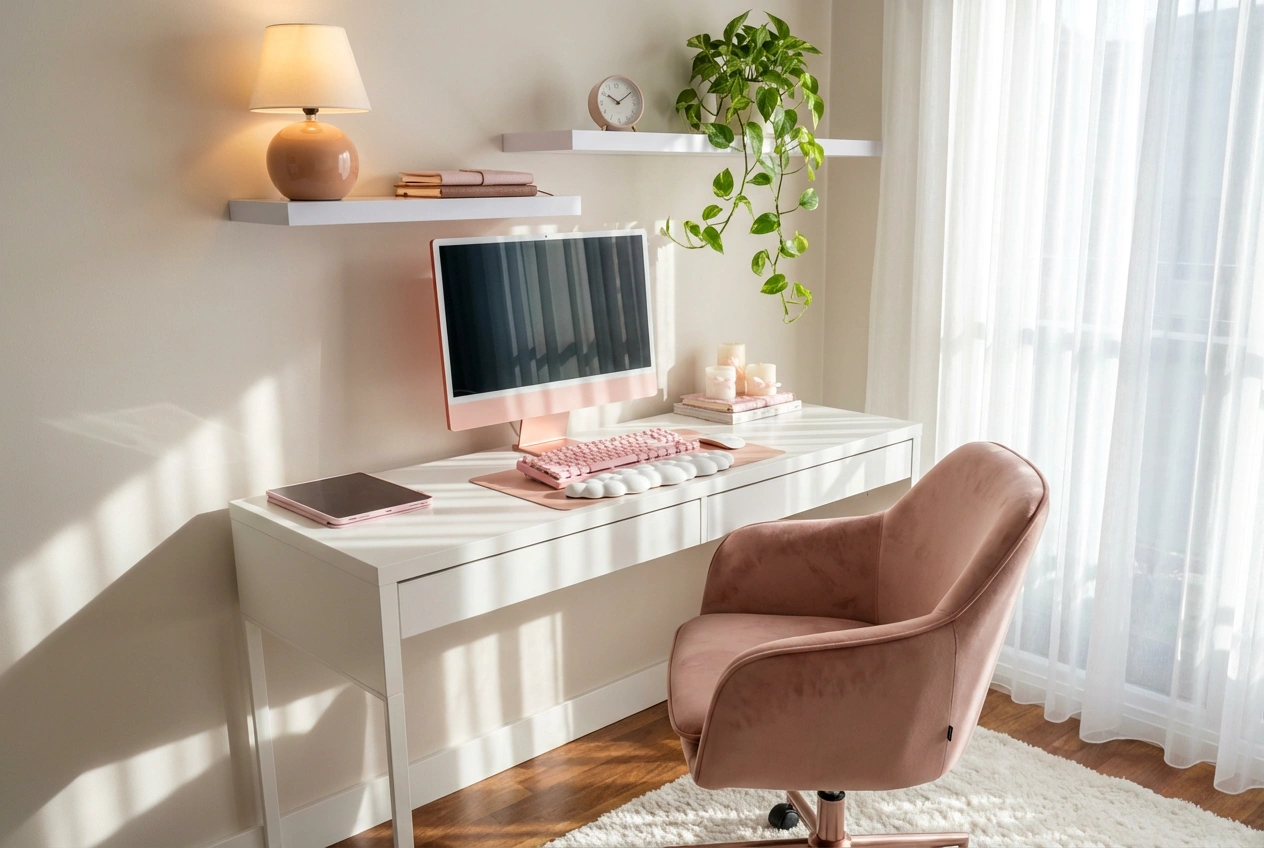
Stylish Study Table and Chair Ideas for Your Home Office: Boost Productivity and Comfort
Introduction to Stylish Study Table and Chair Ideas for Your Home Office: Boost Productivity and Comfort
In the modern era of remote work and lifelong learning, the home office has evolved from a simple desk in the corner to a sanctuary of focus and creativity. At the heart of this transformation lies the perfect pairing: a study table and chair. This duo is far more than mere furniture; it is the foundation of your daily productivity, the curator of your comfort, and a significant statement of your personal style. A thoughtfully chosen workspace can elevate your mood, sharpen your concentration, and turn mundane tasks into inspired sessions. Whether you’re a professional tackling deadlines, a student immersed in research, or a creative pursuing a passion project, the environment you create directly impacts your output and well-being.
Consequently, designing this space requires a harmonious blend of aesthetics and ergonomics. It’s about finding that sweet spot where a beautiful, inspiring desk setup meets the unwavering support of an ergonomic seat. This guide is dedicated to helping you discover stylish study table and chair ideas that don’t force you to choose between looking good and feeling good. We’ll explore how the right materials, colors, and layouts can craft an atmosphere that is both cozy and efficient, minimalist yet warm, ultimately transforming a basic room into a personalized hub of productivity and comfort that you genuinely look forward to using every day.
Why Choose a Stylish and Ergonomic Study Setup for Your Space?
Investing in a well-designed home office desk and chair is a direct investment in your health, happiness, and professional success. The benefits extend far beyond superficial decoration, creating a ripple effect that enhances your daily life. Firstly, the right ergonomic office chair promotes proper posture, reducing the risk of chronic back, neck, and shoulder pain that plagues many who work long hours. When paired with a desk at the correct height, this setup minimizes physical strain, thereby boosting your energy levels and endurance throughout the day.
Secondly, a stylish and intentionally curated workspace has a profound psychological impact. A cluttered, uninspiring desk can subconsciously contribute to stress and procrastination. Conversely, a visually harmonious workstation with pleasing aesthetics—be it through a sleek modern design, warm natural wood, or personalized accessories—can stimulate creativity, increase motivation, and foster a sense of calm and control. This visual harmony helps in mentally compartmentalizing work from relaxation, which is crucial when your home serves multiple purposes.
Furthermore, a functional study nook maximizes your available space, no matter how small. Smart choices like wall-mounted desks, compact corner units, or multi-functional furniture can carve out a productive zone without overwhelming a room. Ultimately, choosing a stylish and ergonomic setup is about respecting the work you do and the person you are. It signals a commitment to your craft and your well-being, creating a dedicated zone where productivity and comfort are not competing ideals, but complementary forces.
Key Elements & Design Components
Essential Decor Items for a Productive and Stylish Workspace
Creating an ideal home office revolves around selecting core pieces that marry form and function. Here’s a breakdown of the essential elements:
-
The Anchor: Your Desk (Study Table): This is your command center. Consider size first—ensure it fits your space and provides ample surface area for your computer, notebook, and other essentials. Popular styles include:
- Minimalist & Modern: Think clean lines, sleek metals (like brushed brass or black steel), and materials like glass or lacquered MDF. A floating desk can enhance this look.
- Rustic & Industrial: Reclaimed wood tops with iron pipe bases add warmth and character. This style is durable and full of texture.
- Scandinavian: Light-toned woods like oak or ash, simple silhouettes, and a focus on natural light define this calming, functional aesthetic.
- Budget-Friendly: Look for sturdy, modular desks from flat-pack retailers. A simple wooden door placed on top of two filing cabinets can also make a fantastic, affordable DIY desk.
-
The Throne: Your Chair: Never compromise here. An ergonomic task chair is paramount. Key features to look for include adjustable seat height, lumbar support, and armrests. For style, consider:
- Executive Leather: Adds a touch of sophistication and luxury to a traditional office.
- Modern Mesh: Offers breathability and a contemporary, tech-forward look.
- Accent Chairs: For a less intensive workspace, a stylish upholstered armchair can work, but ensure it provides adequate back support.
-
Functional & Aesthetic Lighting: Overhead lighting is often insufficient. A dedicated desk lamp is non-negotiable. Choose an adjustable arm lamp for task lighting. A stylish pendant light or a floor lamp can add ambient glow and serve as a design focal point.
-
Smart Storage Solutions: Clutter is the enemy of focus. Incorporate floating shelves, a sleek filing cabinet, drawer organizers, or decorative baskets to keep supplies tidy and within reach. A pegboard above the desk offers versatile, customizable storage.
-
Personalizing Accessories: This is where your personality shines. A stylish desk organizer, a plant for a touch of greenery, inspiring artwork, a comfortable desk pad, and a cozy throw for your chair can transform a sterile setup into your space.
Style Variations & Budget-Friendly Alternatives
Your perfect study table and chair setup should reflect your personal taste and adapt to your constraints.
- For Small Spaces: Opt for a wall-mounted, fold-down desk that disappears when not in use. A narrow console table can also double as a stylish desk. Use a slim-profile chair that can tuck completely underneath.
- For Renters: Prioritize non-permanent solutions. Use a freestanding desk rather than built-ins. Adhesive cable management clips, removable wallpaper for the desk backdrop, and a large, washable rug can define the space without damage.
- Budget-Conscious Decorators: Second-hand is your best friend. Sand and repaint an old wooden desk. Reupholster a dated but sturdy office chair. Use painted crates or stackable cubes for storage. DIY your own art and accessories.
- Style Fusion: Don’t be afraid to mix! A modern acrylic chair can look stunning with a rustic wood desk. An industrial metal lamp can complement a Scandinavian minimalist setup, adding an edge.
How to Achieve the Look: Step-by-Step Styling Guide
Follow this actionable guide to build your productive and beautiful home office from the ground up.
Step 1: Define Your Space and Needs
First, assess the room or corner you’re working with. Measure meticulously. Then, audit your work needs: Do you require dual monitors? Lots of book storage? A drafting surface? Understanding your functional requirements will directly inform the size and type of desk and seating you choose.
Step 2: Select Your Foundational Furniture (Desk & Chair)
With your measurements and needs in hand, shop for your study table and chair. Always prioritize ergonomics for the chair—try to test it in person if possible. For the desk, ensure the depth and height are comfortable. Remember, these pieces are a long-term investment. Furthermore, visualize them together to ensure their styles and proportions harmonize in your space.
Step 3: Establish a Cohesive Color Palette
Choose a color scheme that inspires focus and calm. Soft neutrals (whites, beiges, greys), earthy tones (sage green, terracotta), or muted blues are excellent for reducing visual noise. Then, you can add one or two accent colors through your accessories, chair fabric, or artwork to inject energy and personality.
Step 4: Plan Your Layout for Flow and Function
Position your desk setup to take advantage of natural light, ideally with the window to the side to avoid glare on your screen. Avoid facing a blank wall if it feels confining; positioning so you have a pleasant view of the room can make the space feel larger. Ensure there’s enough room to push your chair back and move around comfortably.
Step 5: Layer in Lighting
Install a primary overhead light for general illumination. Then, add your task lamp on the desk—place it on the opposite side of your dominant hand to prevent shadows. Finally, consider an ambient light source, like a floor lamp in a corner, to create a warm, inviting glow and reduce eye strain in the evenings.
Step 6: Implement Smart Storage
Assign a home for everything. Use drawers for unsightly items. Employ shelves for books and decorative objects. Use desk organizers for pens, notebooks, and daily tools. The goal is to keep your workstation surface as clear as possible to minimize distraction and maximize usable space.
Step 7: Personalize with Purpose
Add layers that reflect you and enhance comfort. A small plant improves air quality and mood. A piece of meaningful art or a photo provides inspiration. A high-quality notebook and a favorite pen feel good to use. A soft, textured rug underfoot or a wool throw over your chair adds tactile comfort.
Elevating the Look: Advanced Styling Tips
Once the basics are in place, these nuanced touches can refine your space from great to exceptional.
- Curate a Visual Trio: Create a balanced vignette on your desk or a nearby shelf using the rule of three. For example, a tall lamp, a medium-sized plant, and a small stack of books create dynamic visual interest.
- Play with Texture: Incorporate a variety of materials to add depth. Combine the smoothness of glass, the warmth of wood, the softness of fabric, and the coolness of metal. A chunky knit throw, a leather desk pad, and a ceramic vase all contribute to a rich sensory experience.
- Conceal the Cables: Nothing disrupts a clean aesthetic like a tangle of wires. Use cable sleeves, adhesive clips under the desk, or a cable management box to route cords neatly. This single step has an outsized impact on the polished feel of your home office desk area.
- Incorporate Reflective Surfaces: A small mirror, a glass desk top, or metallic accents can help bounce light around a smaller room, making the space feel brighter and more open.
- Define the Zone: In an open-plan room, use a large area rug to visually anchor your study nook. This psychologically separates your work zone from your living space, enhancing focus.
Maintenance & Care: Keeping Your Space Fresh
A beautiful workspace requires a little upkeep to stay inspiring and functional.
- Daily/Weekly: Wipe down your desk and chair surfaces with a microfiber cloth to remove dust. For wood desks, use a cleaner specifically designed for the finish. Fluff pillows and smooth out your desk pad.
- Monthly: Deep clean your keyboard and mouse. Declutter drawers and shelves, recycling old papers and reorganizing supplies. Check cables and re-secure any that have come loose from their management system.
- Seasonal Refresh: Rotate your accessories to keep the space feeling new. Swap out artwork, change your desk plant, or switch your chair throw with the seasons. This is an easy, cost-effective way to renew your motivation without a major redesign.
- Material-Specific Care: For leather chairs, condition them quarterly to prevent cracking. For fabric chairs, vacuum regularly and treat stains immediately according to the manufacturer’s instructions.
FAQs: Frequently Asked Questions About Creating a Stylish Home Office
Q1: I have a very small apartment. Can I still have a proper home office setup?
Absolutely! The key is to prioritize vertical space and multi-functionality. Look for a compact, narrow desk or a wall-mounted drop-leaf table. Use a chair that can serve another purpose in your living area, like a dining chair. Utilize shelves above the desk for storage to keep the floor space clear.
Q2: How do I choose between an ergonomic office chair and a stylish accent chair?
If you spend multiple consecutive hours at your study table, an ergonomic chair is a non-negotiable health investment. However, many modern ergonomic chairs come in stylish designs. If your work sessions are shorter (under 1-2 hours), you might prioritize style, but ensure any chair you choose offers good lumbar support.
Q3: What is the ideal height for my desk and chair?
When seated, your feet should rest flat on the floor, with your knees at about a 90-degree angle. Your desk height should allow your elbows to also be at a 90-degree angle when typing, with your forearms parallel to the floor. An adjustable chair is the easiest way to achieve this.
Q4: I’m on a tight budget. Where should I splurge and where can I save?
Splurge on your chair. Your body will thank you. You can also consider investing in a quality, durable desk if you have the budget. Save on accessories and storage. These items can be found inexpensively at thrift stores, discount retailers, or through DIY projects. A simple IKEA desk can be elevated dramatically with stylish, personal accessories.
Q5: How can I make my workspace inspire creativity?
Incorporate elements that stimulate your senses and mind. Use a color you love as an accent. Display items that are meaningful to you—travel souvenirs, artwork from a local maker, or photos of loved ones. Ensure you have a pinboard or notebook handy to jot down ideas. Most importantly, keep the space tidy; a cluttered desk often leads to a cluttered mind.