
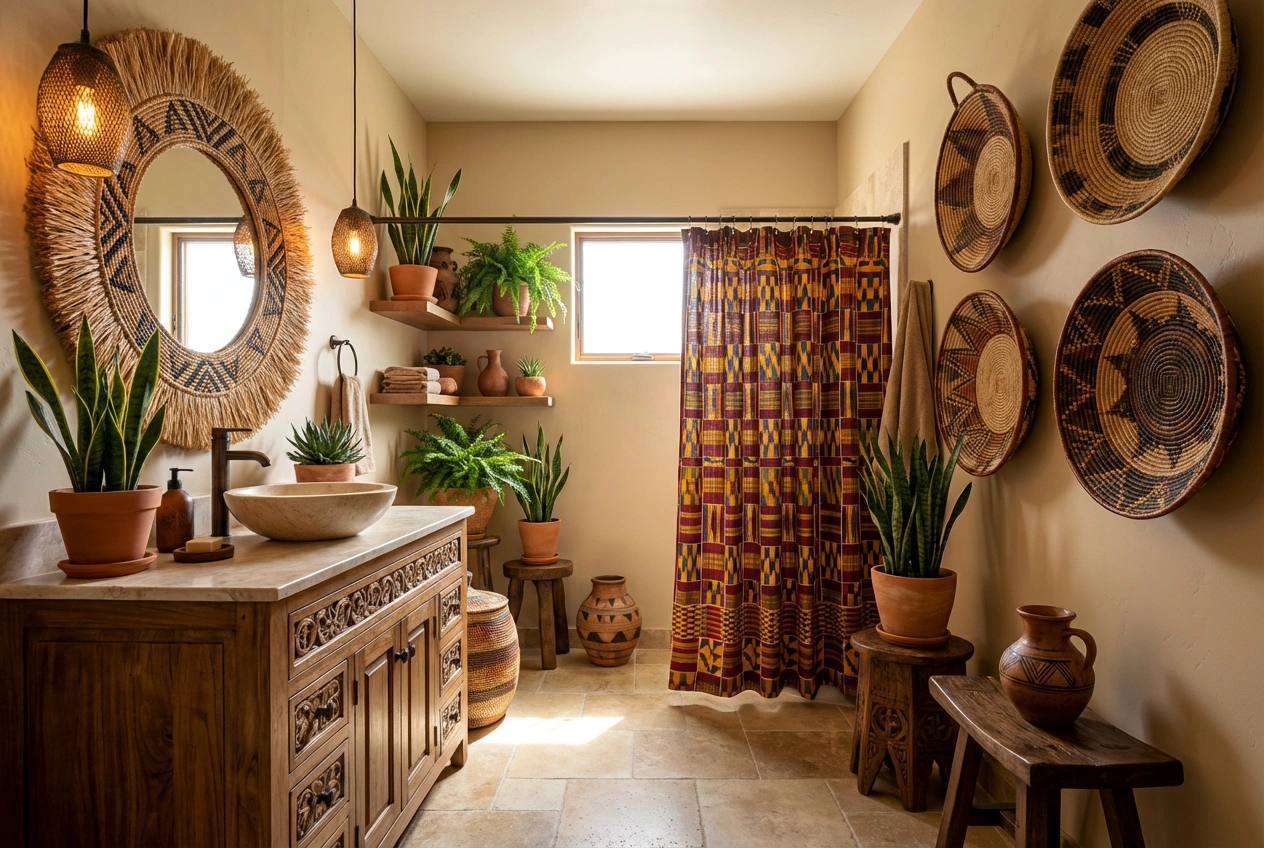
Transform Your Space with Unique African Bathroom Decor Ideas for a Stylish Retreat
Introduction to Transform Your Space with Unique African Bathroom Decor Ideas for a Stylish Retreat
Imagine stepping into a bathroom that feels less like a utilitarian space and more like a personal sanctuary—a place where warmth, history, and artistry converge to create an atmosphere of profound tranquility. This is the transformative power of embracing African bathroom decor ideas. Far from a monolithic style, African-inspired design draws from the vast and varied tapestry of the continent, offering a rich palette of textures, patterns, and organic elements. Consequently, this approach moves beyond mere aesthetics; it invites a connection to earth, community, and craftsmanship into your daily rituals.
Whether your taste leans toward the bold, geometric patterns of West African kente and mudcloth, the serene, neutral tones of Saharan landscapes, or the intricate carvings and basketry found across the continent, there is an African-inspired theme to suit every vision. This decor philosophy champions authenticity, natural materials, and handcrafted items, making your bathroom a unique retreat that tells a story. Ultimately, by integrating these elements, you create a space that is not only visually stunning but also emotionally grounding—a true haven for relaxation and rejuvenation. Let’s explore how you can infuse your bathroom with this soulful and stylish energy.
Why Choose African-Inspired Decor for Your Bathroom Space
Choosing an African-inspired theme for your bathroom is a decision that prioritizes character, warmth, and a deep sense of harmony. Unlike sterile, overly minimalist designs, this style infuses your space with life and narrative. Firstly, it is inherently grounded and organic. The frequent use of materials like terracotta, woven sisal, raw wood, and stone creates a tactile, earthy environment that feels instantly calming and connected to nature. This is particularly effective in a bathroom, where water and wellness are central, fostering a spa-like retreat right in your home.
Moreover, African decor is celebrated for its powerful use of pattern and symbolism. Incorporating textiles like Nigerian adire, Ghanaian kente, or Malian bogolanfini (mudcloth) adds layers of visual interest and cultural significance. Each pattern and motif often carries historical meaning, turning your decor into a conversation piece. Additionally, this style is remarkably versatile. You can opt for a bold, pattern-on-pattern look for a dramatic effect, or you might select a more subdued, earthy palette accented with handcrafted artifacts for a subtle, zen-like ambiance. Therefore, it allows for high personalization, ensuring your space reflects your individual journey and taste while maximizing visual impact and emotional comfort.
Key Elements & Design Components
Essential Decor Items for an African-Inspired Bathroom
To authentically capture the essence of African design, focus on curating a collection of key items that emphasize texture, artisan craft, and natural beauty.
- Textiles & Patterns: This is the heartbeat of the style. Seek out authentic or inspired-by African print shower curtains, bath mats, and towels. Mudcloth, with its iconic geometric symbols, is a perfect starting point. Alternatively, look for kente-stripe accents or wax print fabrics in earthy tones or bold indigos.
- Natural Materials & Textures: Embrace the raw and the real. A wooden bath mat, a terracotta plant pot for a lush snake plant or aloe vera, a hand-woven sisal laundry basket, or soap dishes made from carved shea butter wood are essential. Stone vessel sinks or concrete countertops can anchor the space beautifully.
- Artisan Crafts & Accessories: Decorate with purpose. Hand-carved wooden stools (which can double as plant stands or towel holders), traditional African masks or shields (strategically placed away from moisture), and beaded jewelry or bowls add authentic character. Furthermore, consider African pottery or calabash gourds for storing cotton balls or bath salts.
- Color Palette: Draw inspiration from the landscape. Think rich earth tones—ochre, terracotta, burnt sienna, and charcoal. Complement these with shades of indigo, deep greens, and warm, sandy neutrals. A pop of vibrant color, like a coral or sunflower yellow, can be introduced through a single accessory.
- Lighting: Opt for warm, ambient lighting. Wicker or rattan pendant lights, lantern-style sconces with muted glass, or even a simple candle in a carved holder can create a soft, inviting glow that enhances the organic materials.
Style Variations & Budget-Friendly Alternatives
Achieving this look is accessible at any budget. For a high-impact, low-commitment approach, start with soft furnishings. A striking mudcloth shower curtain can instantly define the space. Similarly, removable peel-and-stick wallpaper featuring a subtle tribal pattern or earthy texture can transform a focal wall without permanent changes.
For those renting or on a tight budget, focus on accessories. Swap out a plastic soap dispenser for a handmade ceramic one. Use a beautiful kente cloth or African throw as a decorative wall hanging or to drape over a simple ladder shelf. Visit thrift stores or online marketplaces that support African artisans for unique, affordable finds. Instead of a major furniture overhaul, sand and re-stain an existing wooden shelf with a darker, richer tone to mimic aged teak or mahogany. The key is to layer in authentic touches gradually, prioritizing handcrafted items over mass-produced decor.
How to Achieve the Look: Step-by-Step Styling Guide
Step 1: Establish Your Earthy Color Foundation
Begin by selecting a cohesive color palette. Paint your walls in a warm, neutral shade like sand, taupe, or a soft terracotta. If painting isn’t an option, ensure your existing tiles or wall color serve as a neutral backdrop. This foundational layer will allow your textures and patterns to shine without overwhelming the space.
Step 2: Introduce Pattern with Textiles
Next, layer in pattern through fabrics. Your shower curtain is the largest textile and will set the tone. Choose one with a traditional African motif or a solid color in a rich, earthy hue. Coordinate your bath mat and towels, but avoid being too matchy-matchy; for instance, pair a bold patterned curtain with solid, textured towels in a complementary color.
Step 3: Incorporate Natural Materials and Furniture
Now, bring in the organic elements. Add a teak or acacia wood stool, a seagrass or wicker hamper, and stone or unglazed ceramic accessories for soap and toothbrushes. If space allows, a small wooden side table or a shelf made from reclaimed wood can provide display space and enhance the natural aesthetic.
Step 4: Accessorize with Artisan Crafts
Curate your accessories thoughtfully. Display a collection of hand-thrown pottery on a shelf, hang a woven basket on the wall as art, or place a carved wooden bowl filled with smooth river stones on the counter. Choose one or two statement pieces, like a mask or a beaded mirror frame, to serve as focal points.
Step 5: Add Greenery for Life and Vitality
Incorporate plants that thrive in humid environments. A majestic snake plant, a cascading pothos, or a sculptural ZZ plant in a terracotta or woven planter adds a vital touch of life and reinforces the connection to nature. Greenery also softens the hard lines of bathroom fixtures.
Step 6: Set the Mood with Ambient Lighting
Finally, optimize your lighting. Replace harsh, cool-white bulbs with warm-white LEDs. Install a dimmer switch if possible, and add secondary light sources like a rattan floor lamp (if space permits) or candle lanterns on the bathtub ledge. The goal is to create a soft, diffused light that casts beautiful shadows on textured surfaces.
Elevating the Look: Advanced Styling Tips
To truly perfect your African-inspired bathroom, consider these nuanced touches. Firstly, think about the sensory experience. Introduce a diffuser with essential oils like palo santo, sandalwood, or vetiver to complement the earthy visual theme. Secondly, play with scale and composition when displaying artifacts. Group items in odd numbers and vary heights for a dynamic, collected-over-time look. A tall carved spoon next to a short, round pot on a stack of art books creates visual interest.
Furthermore, don’t shy away from mixing patterns, but do so with a common color thread. A striped kente towel can coexist with a mudcloth pattern if they share a base color like indigo or ochre. For a truly immersive feel, consider a feature wall with clay plaster or Tadelakt finish, which provides a beautiful, tactile surface reminiscent of traditional African architecture. Lastly, ensure your hardware and fixtures complement the style. Brushed brass, oil-rubbed bronze, or black matte finishes on faucets and towel rings work far better than shiny chrome, as they align with the warm, aged quality of the decor.
Maintenance & Care: Keeping Your Space Fresh
Maintaining the natural and artisanal elements of your bathroom ensures its longevity and beauty. For woven items like baskets or hampers, dust regularly with a soft brush and avoid prolonged exposure to direct moisture. If they get damp, allow them to air dry completely to prevent mildew. Wooden accessories and stools should be occasionally treated with a food-safe mineral oil or beeswax polish to protect them from bathroom humidity and maintain their luster.
When cleaning textiles like shower curtains or decorative cloths, always follow the care instructions. Many hand-dyed or wax-print fabrics require gentle, cold-water washes. For terracotta and pottery, simply wipe with a damp cloth. The key is to embrace the natural aging process—some patina on wood or slight fading on textiles adds to the authentic, lived-in charm of the space. Regularly rotate accessories and art to keep the decor feeling dynamic and fresh.
FAQs: Frequently Asked Questions About African Bathroom Decor Ideas
Q: How can I incorporate African decor in a small, modern bathroom without it feeling cluttered?
A: Focus on minimalism with meaning. Choose one or two key statement pieces, like a single, stunning mudcloth towel hung on the wall as art or a beautifully carved mirror. Stick to a monochromatic earthy palette and use texture (a wooden bath mat, a rough stone soap dish) to add interest without visual noise. Keep surfaces clear and use built-in storage to maintain a sense of space.
Q: Is it culturally appropriate to use traditional African patterns and artifacts in my home decor?
A: When done respectfully, it can be a beautiful appreciation of global artistry. The key is to educate yourself on the provenance and significance of the items you purchase. Whenever possible, buy directly from African artisans or reputable fair-trade companies that ensure artists are compensated fairly. Avoid mass-produced, culturally generic items, and instead opt for authentic pieces that support craftspeople and their traditions.
Q: My bathroom has cool gray tiles. Can I still use an African-inspired theme?
A: Absolutely! In fact, cool grays can provide a stunning, contemporary contrast to warm earth tones. Use the gray as a neutral backdrop and intentionally warm up the space with rich terracotta textiles, abundant wooden elements, and brass or gold accents. The contrast can make the warm tones feel even more inviting and deliberate.
Q: What are the best plants for a humid, African-inspired bathroom?
A: Choose plants that love humidity and lower light conditions. Excellent options include the Snake Plant (Sansevieria), ZZ Plant (Zamioculcas zamiifolia), Pothos (Epipremnum aureum), Boston Fern, and Peace Lily. Place them in terracotta or woven baskets to reinforce the natural aesthetic.